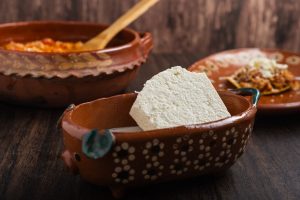
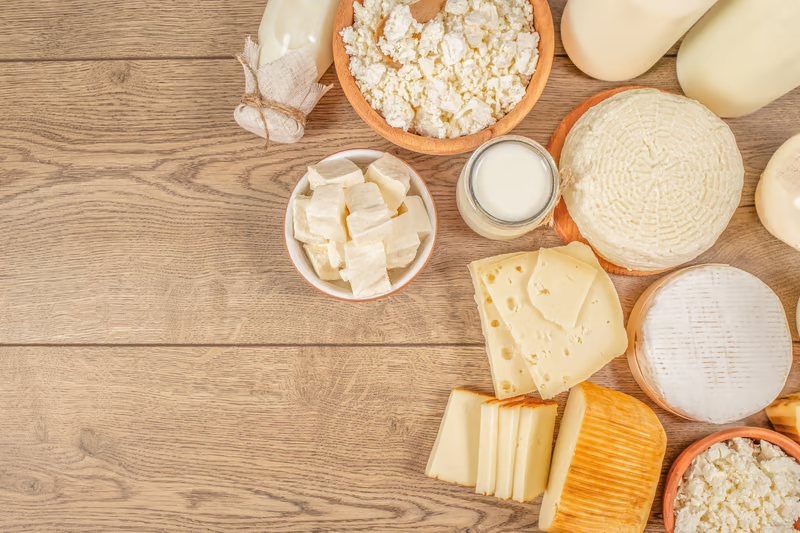
Mexican cheese is not just a food item; it embodies the rich cultural heritage and culinary traditions of Mexico. From the creamy texture of Queso Fresco to the robust flavor of Cotija, the variety of Mexican cheeses reflects the diverse landscapes and climates of the country. In this article, we will explore the top Mexican cheese producers, their unique offerings, and how they contribute to the culinary landscape of both Mexico and beyond.
The Importance of Mexican Cheese
Mexican cheese plays a vital role in traditional Mexican cuisine, serving as a key ingredient in many dishes. It enhances flavors, adds texture, and provides the nutritional benefits of dairy. Understanding who the top producers are can help consumers appreciate the craftsmanship behind these beloved products.
A Rich Tradition of Cheese-Making
The tradition of cheese-making in Mexico dates back centuries, influenced by indigenous practices and European techniques. As the country evolved, so did its cheese varieties, leading to the production of cheeses that are unique to specific regions. This cultural and historical context adds depth to the appreciation of Mexican cheeses.
Notable Mexican Cheese Producers
Several producers stand out for their commitment to quality and authenticity in Mexican cheese production. Let’s delve into some of the most respected names in the industry.
1. Quesos La Ricura
Located in the state of Puebla, Quesos La Ricura is renowned for its artisanal approach to cheese-making. This family-owned business prides itself on using traditional methods passed down through generations. They produce a variety of cheeses, including Queso Blanco, Queso Fresco, and Oaxaca cheese.
Expert Insight: According to the company’s founder, Maria Gonzalez, “Our cheeses reflect the essence of Puebla. We use local milk and traditional techniques to ensure the highest quality.” This dedication to authenticity has earned them a loyal following both locally and internationally.
2. Quesos El Pastor
Quesos El Pastor, based in Michoacán, is known for its rich and flavorful cheeses. They specialize in traditional Mexican cheeses like Cotija and Panela. The company emphasizes sustainable farming practices and sources its milk from local farms that prioritize animal welfare.
Real-Life Example: The Cotija cheese from Quesos El Pastor is often highlighted in culinary competitions for its robust flavor and crumbly texture, making it a favorite among chefs and home cooks alike. Their commitment to quality has made them one of the top Mexican cheese producers.
3. Quesería Don Francisco
In the heart of Jalisco, Quesería Don Francisco has been producing cheese for over 25 years. The company is particularly famous for its Queso Añejo, a hard cheese that ages beautifully and develops a strong flavor profile. Their dedication to traditional cheese-making techniques has garnered them numerous awards.
Research-Backed Data: A study conducted by the Mexican Cheese Association found that artisanal cheeses like those produced by Quesería Don Francisco have gained popularity in both domestic and international markets, showcasing the demand for authentic Mexican flavors.
4. La Vaquita
La Vaquita is a well-known brand that has made a significant impact on the Mexican cheese market. They produce a variety of cheeses, including Queso Fresco and Queso Blanco, which are staples in Mexican households. Their commitment to quality and consistency has made them a household name.
Expert Insight: Corporate chef Juan Carlos Martinez states, “At La Vaquita, we strive to maintain the authenticity of our cheeses while ensuring they meet the tastes of modern consumers.” This balance between tradition and innovation is crucial for their success.
5. Lácteos de la Huasteca
Based in the San Luis Potosí region, Lácteos de la Huasteca focuses on producing organic cheeses. They are known for their Queso de Cabra (goat cheese) and Queso Fresco. By using organic practices, they cater to health-conscious consumers looking for high-quality dairy products.
Real-Life Example: Lácteos de la Huasteca’s Queso de Cabra has become a favorite among gourmet chefs, often featured in upscale restaurants for its unique flavor and creamy texture. Their commitment to organic farming aligns with a growing trend in the food industry.
The Cultural Significance of Mexican Cheese
Mexican cheeses are deeply embedded in the country’s culinary culture. They are not just ingredients; they are symbols of tradition and community. Understanding the cultural significance of these cheeses enhances our appreciation of the producers behind them.
Celebrating Regional Diversity
Each region in Mexico has its own cheese-making traditions, influenced by local ingredients, climate, and cultural heritage. This regional diversity contributes to the rich tapestry of flavors found in Mexican cheeses.
Research-Backed Data: According to a report by the Mexican Ministry of Agriculture, there are over 100 varieties of traditional Mexican cheeses, each with its own unique characteristics. This diversity highlights the importance of preserving local cheese-making practices.
Cheese in Everyday Life
In Mexico, cheese is a staple in daily meals, from breakfast to dinner. It is commonly used in dishes like enchiladas, tacos, and quesadillas, making it an indispensable ingredient in Mexican cuisine.
Real-Life Example: During a family gathering, you might find a spread of various Mexican cheeses, each representing different regions of the country. This communal aspect of cheese consumption reinforces its cultural significance.
Challenges Facing Mexican Cheese Producers
While the future of Mexican cheese production is promising, producers face several challenges. Addressing these challenges is crucial for maintaining the quality and authenticity of Mexican cheeses.
Competition from Imitations
One of the significant challenges is the influx of imitation cheeses that do not adhere to traditional methods. These products can undermine the reputation of authentic Mexican cheeses and confuse consumers.
Expert Insight: According to cheese expert Dr. Ana Patricia Martinez, “Educating consumers about the differences between authentic Mexican cheeses and imitation products is essential for protecting our culinary heritage.”
Sustainability and Resource Management
As demand for Mexican cheeses rises, so does the pressure on producers to scale their operations. This growth can lead to challenges in maintaining sustainable practices and ensuring the welfare of dairy animals.
Research-Backed Data: A study by the Food and Agriculture Organization (FAO) emphasizes the importance of sustainable dairy farming practices to ensure long-term viability for cheese producers. Addressing these issues is vital for the industry’s future.
Regulatory Challenges
Navigating the regulatory landscape can also be complex for Mexican cheese producers. Ensuring compliance with food safety standards while maintaining traditional cheese-making practices can be a balancing act.
Real-Life Example: Producers often participate in workshops and training sessions to stay informed about the latest regulations, ensuring their products meet safety standards without compromising authenticity.
The Future of Mexican Cheese Production
The future of Mexican cheese production looks bright, with increasing recognition of the value of authentic products. As consumers become more discerning, the demand for quality over quantity will shape the industry.
Embracing Innovation
To remain competitive, many Mexican cheese producers are embracing innovation. This includes experimenting with new flavors, developing artisanal products, and utilizing modern marketing techniques.
Expert Insight: Chef Rodrigo Sanchez notes, “Innovating while respecting traditional methods is key to attracting a new generation of consumers who value quality and craftsmanship.” This forward-thinking approach can help producers thrive in a competitive market.
Expanding Global Reach
With the growing interest in Mexican cuisine worldwide, there is significant potential for Mexican cheese producers to expand their reach beyond national borders. Exporting authentic products can open new markets and increase revenue.
Research-Backed Data: A report by the Mexican Export Council indicates that the global demand for Mexican cheeses has increased by 20% over the past five years, highlighting the potential for growth in international markets.
Conclusion
Mexican cheese producers play a vital role in preserving and promoting the rich culinary heritage of Mexico. From artisanal creators to larger brands, each producer contributes to the diversity and authenticity of Mexican cheeses. By understanding who these top producers are and the challenges they face, consumers can appreciate the craftsmanship and dedication that goes into every bite.
As we celebrate the flavors of Mexico, let us support the producers who bring these delicious cheeses to our tables. Whether you’re enjoying a classic Queso Fresco or savoring a slice of aged Cotija, you’re experiencing a piece of Mexico’s vibrant culinary landscape.
Frequently Asked Questions (FAQs)
Who are the top Mexican cheese producers?
Top Mexican cheese producers include Quesos La Ricura, Quesos El Pastor, Quesería Don Francisco, La Vaquita, and Lácteos de la Huasteca, each known for their unique cheeses and commitment to quality.
What types of cheeses do Mexican producers make?
Mexican cheese producers create a variety of cheeses, including Queso Fresco, Cotija, Oaxaca, Panela, and Queso Añejo, each with distinct flavors and uses in traditional dishes.
How can I support authentic Mexican cheese producers?
Support authentic Mexican cheese producers by purchasing their products at local markets, seeking out artisanal brands, and educating others about the importance of preserving traditional cheese-making practices.