
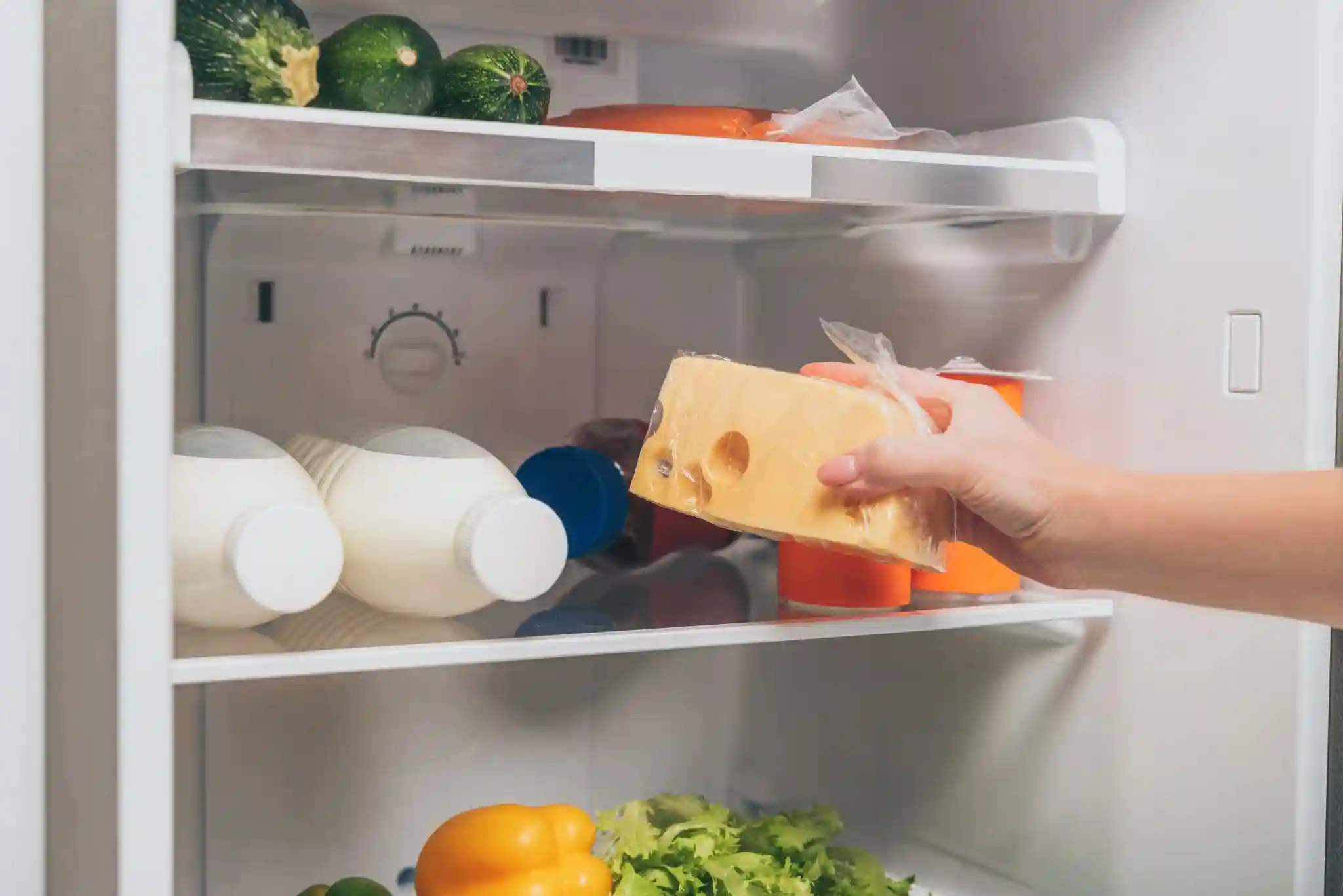
Cheese is alive in a way most foods are not. Even after it is made and packaged, it continues to evolve. This is why understanding cheese shelf life is not as simple as reading a date on the label. The freshness of cheese depends on multiple factors working together, and small changes in storage can make a big difference. From the moment cheese enters your refrigerator, time begins to influence its texture, flavor, and safety. Knowing what affects this process allows you to control it rather than react to it.
Moisture, Fat, and Bacteria Balance
Cheese is made from a delicate balance of moisture, fat, and beneficial bacteria. Soft cheeses contain more moisture, which makes them more prone to spoilage. Hard cheeses have less moisture, which slows bacterial growth and extends shelf life. The bacteria in cheese are not always harmful. In fact, they are essential to its flavor. However, when conditions are not ideal, unwanted bacteria can grow. This is when spoilage begins.
Why Storage Conditions Matter More Than You Think
Temperature and humidity play a critical role in maintaining cheese quality. A refrigerator that is too cold can dry out cheese, while one that is too warm can accelerate spoilage. Even small fluctuations can affect how long cheese stays fresh. Proper storage is not just about keeping cheese cold. It is about maintaining the right environment.
Different Cheeses, Different Timelines
Not all cheeses age the same way. Their shelf life varies depending on their composition and structure.
Soft Cheeses and Their Short Window
Soft cheeses such as brie, ricotta, and cream cheese have a high moisture content. This makes them more vulnerable to spoilage. Once opened, these cheeses typically last only a few days to a week in the refrigerator. Their delicate structure means they can quickly develop unwanted bacteria if not stored properly.
Semi-Hard and Hard Cheeses Longevity
Semi-hard cheeses like cheddar and gouda last longer. Hard cheeses such as parmesan can stay fresh for weeks or even months when stored correctly.
Lower moisture content slows bacterial growth and extends shelf life.
Dense structure helps protect the interior from contamination.
Aging processes already make these cheeses more stable.
Proper wrapping further enhances their longevity.
These cheeses are more forgiving, but they still require care.
What Happens Inside Your Fridge
Your refrigerator is not a uniform space. Different areas have different temperatures and humidity levels, which can affect cheese shelf life.
Temperature Zones and Their Impact
The back of the fridge is usually colder, while the door experiences more temperature changes. Storing cheese in the wrong area can shorten its freshness. The ideal temperature for cheese is slightly warmer than the coldest parts of the fridge. This helps maintain its texture and flavor.
Air Exposure and Humidity Effects
Air is one of the biggest enemies of cheese. Exposure to air can dry it out and cause it to lose flavor. At the same time, too much moisture can encourage mold growth. Finding the right balance is essential. Proper wrapping helps control both air and humidity levels.
The Truth About Packaging and Storage Methods
How you store cheese is just as important as where you store it.
Plastic Wrap vs Cheese Paper
Plastic wrap is commonly used, but it is not always the best option. It can trap moisture and create an environment for bacteria to grow. Cheese paper, on the other hand, allows the cheese to breathe while maintaining humidity. This helps preserve both texture and flavor.
When to Rewrap and How Often
Cheese should be rewrapped regularly. Old wrapping can accumulate moisture and bacteria. Rewrapping every few days keeps the environment clean and controlled. It also allows you to inspect the cheese for any signs of spoilage.
Signs Your Cheese Is Still Safe—or Not
Knowing how to identify spoilage is crucial. Not all changes mean the cheese is unsafe.
Surface Changes vs Spoilage
Some cheeses naturally develop mold as part of their aging process. This is normal and safe. However, unexpected mold on soft cheeses can be a sign of spoilage. Hard cheeses can often be salvaged by cutting away the affected area. Soft cheeses, however, should be discarded if mold appears.
Smell, Texture, and Taste Indicators
Your senses are your best tools. A strong, unpleasant smell can indicate spoilage. Changes in texture, such as excessive sliminess or dryness, are also warning signs. Taste should be used cautiously. If something seems off, it is better to discard the cheese than take a risk.
Smart Storage Habits That Extend Shelf Life
Good habits can significantly extend how long cheese stays fresh.
Store cheese in the vegetable drawer where humidity is more stable and controlled.
Wrap cheese in breathable materials to maintain the right balance of air and moisture.
Keep different types of cheese separate to prevent cross-contamination of flavors and bacteria.
Label opened cheese with dates to track freshness more accurately.
These simple steps can make a noticeable difference.
Common Mistakes That Shorten Cheese Shelf Life
Many people unknowingly reduce the life of their cheese through small mistakes. Leaving cheese exposed to air is one of the most common issues. It leads to drying and flavor loss. Another mistake is storing cheese in the fridge door, where temperature fluctuations are frequent. Using the same wrapping for too long can also cause problems. It allows moisture and bacteria to build up. Ignoring these factors can lead to faster spoilage.
Expert Advice for Keeping Cheese Fresh Longer
Experts emphasize consistency. Keeping cheese at a stable temperature and humidity level is key. Sudden changes can disrupt its balance and shorten its shelf life.
They also recommend handling cheese with clean hands or utensils. This reduces the risk of introducing unwanted bacteria. Another important tip is to buy smaller quantities. Fresh cheese always tastes better, and smaller portions are easier to manage. Experts also suggest paying attention to the type of cheese you buy. Understanding its characteristics helps you store it more effectively.
Can You Freeze Cheese Without Ruining It?
Freezing cheese is possible, but it comes with trade-offs. The texture often changes, becoming crumbly or dry. This is due to the formation of ice crystals. Hard cheeses handle freezing better than soft ones. They can still be used for cooking even if their texture changes. Soft cheeses, however, may not recover well after freezing. Freezing should be a last resort. It is better to store cheese properly and consume it within its natural shelf life.
The Balance Between Safety and Flavor
Cheese does not simply go from fresh to spoiled. There is a range in between where flavor may change without becoming unsafe. Aged cheeses, for example, may develop stronger flavors over time. This can be desirable. However, there is a point where changes indicate spoilage rather than maturation. Understanding this balance helps you enjoy cheese at its best while staying safe.
Final Thoughts on Storing Cheese the Right Way
Cheese is more than just a food item. It is a living product that requires care and attention. Understanding cheese shelf life allows you to make the most of every piece. By controlling storage conditions, choosing the right packaging, and recognizing signs of spoilage, you can extend freshness and preserve flavor. The effort is worth it. Properly stored cheese not only lasts longer but also tastes better. It transforms a simple ingredient into a truly enjoyable experience.
FAQs
How long does cheese last after opening?
The shelf life depends on the type of cheese. Soft cheeses typically last about a week, while semi-hard and hard cheeses can last several weeks when stored properly. Proper wrapping and consistent refrigeration play a key role in maintaining freshness.
Can you eat cheese after the expiration date?
In many cases, cheese can still be safe after the expiration date if it has been stored correctly. Hard cheeses often last longer, while soft cheeses should be consumed more quickly. Always check for signs of spoilage before consuming.
What is the best way to store cheese in the fridge?
The best way is to wrap cheese in breathable material like cheese paper and store it in a stable, slightly humid part of the fridge, such as the vegetable drawer. This helps maintain the right balance of moisture and airflow.