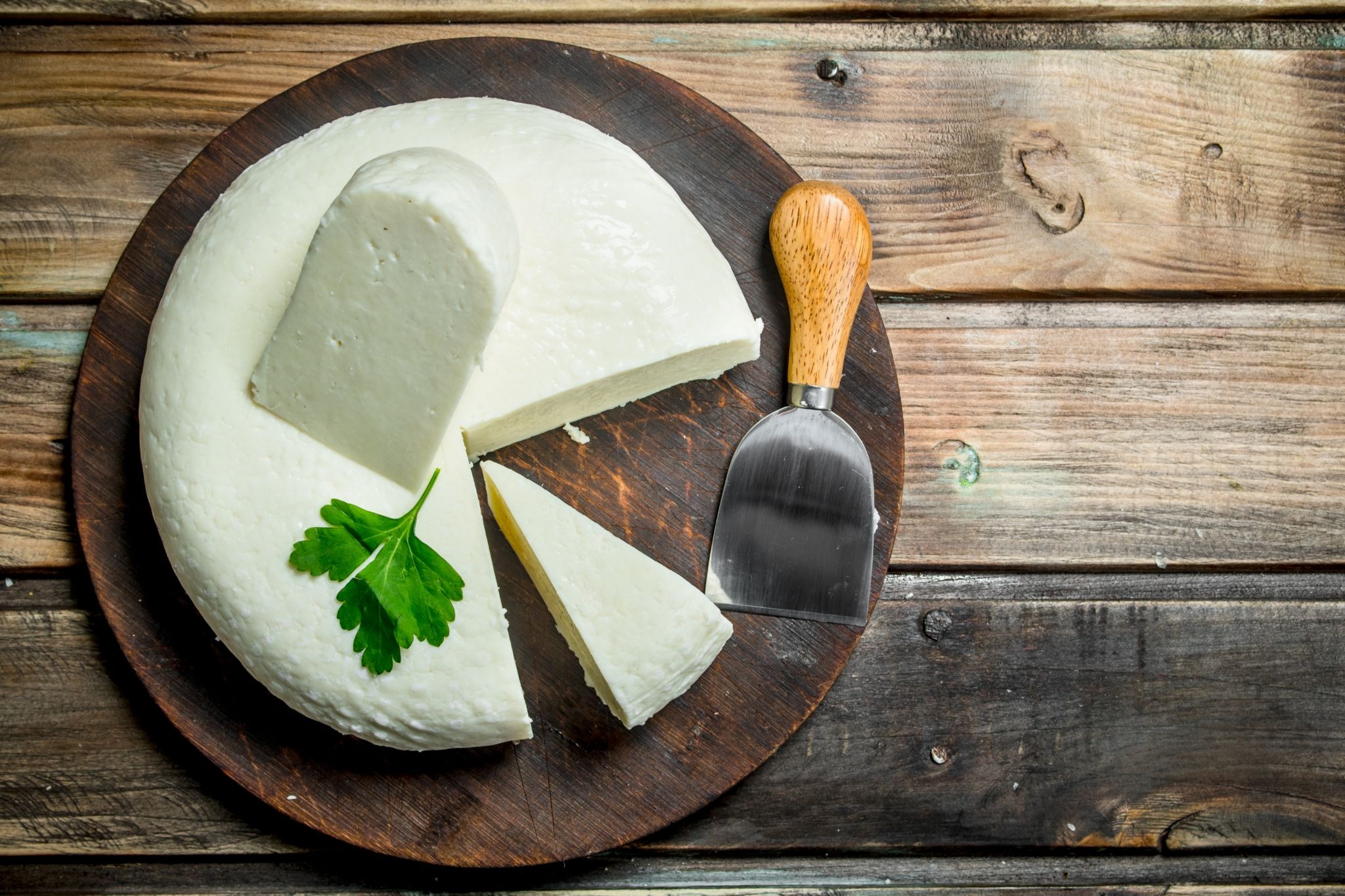
Mexican cheese is not just food. It is a living tradition shaped by history, geography, and human connection. The story of mexican cheese production begins with cultural exchange. When Spanish settlers introduced dairy animals, local communities adapted these techniques with their own knowledge and environment. Over time, this fusion created a wide range of cheeses that feel both familiar and entirely unique.
What makes this journey so compelling is how deeply it is tied to identity. In many regions, cheese is still made using methods passed down through generations. Families protect these techniques as part of their heritage. The flavors you taste today often carry the memory of centuries-old practices. This is why Mexican cheese feels authentic in a way that cannot be replicated through industrial processes alone.
Beyond tradition, cheese plays a central role in everyday life. It appears in street food, home cooking, and celebrations. It connects people to their roots. This emotional layer gives mexican cheese production a depth that goes beyond technique and enters the realm of culture.
The Foundations of Mexican Cheese Production
At its core, mexican cheese production relies on a delicate balance between natural ingredients and skilled handling. Each step matters, and even small variations can change the final result.
Milk Selection and Its Impact on Flavor
Milk is the foundation of every cheese. In Mexico, fresh milk is often used shortly after milking, preserving its natural richness. The type of milk shapes the personality of the cheese. Cow’s milk produces mild and creamy textures, while goat’s milk introduces sharper, tangy notes. Even the diet of the animals influences the final flavor, adding subtle complexity that reflects the local environment.
Natural Cultures and Traditional Starters
Unlike many industrial processes, traditional Mexican cheese making often relies on natural fermentation. Producers may use whey from previous batches to introduce beneficial bacteria. This method creates continuity in flavor. It also allows each batch to carry a signature taste that reflects its origin.
Coagulation Methods and Curd Formation
Coagulation transforms liquid milk into solid curds. This step is where science and craftsmanship meet. The choice between rennet and acidic agents affects both texture and taste. Gentle handling of curds results in soft cheeses, while firmer treatment leads to more structured varieties. This stage requires precision and experience.
Step-by-Step Process of Mexican Cheese Making
The process begins with warming the milk to activate natural enzymes. Once the cultures are added, the milk slowly thickens. This transformation feels almost magical, but it is guided by careful timing and temperature control.
Curds are then cut to release whey. The size of these curds determines the moisture level. Smaller pieces create firmer cheese, while larger ones retain softness. After draining, the curds are shaped by hand or placed into molds. Some cheeses are lightly salted, while others are pressed to achieve a specific texture.
What sets mexican cheese production apart is its flexibility. Many cheeses are enjoyed fresh, without long aging periods. This preserves the natural taste of the milk. It also makes the process more responsive to local conditions. Each batch becomes a reflection of the moment it was created.
Fresh vs Aged Mexican Cheeses: Key Differences
The contrast between fresh and aged cheeses defines much of Mexico’s cheese diversity. Each type offers a distinct experience and serves a different purpose in cooking.
Characteristics of Fresh Cheeses
Fresh cheeses are soft, moist, and light. They are often consumed within days of production. Their mild flavor allows them to complement other ingredients without overpowering them. These cheeses are commonly crumbled over dishes or used as fillings. Their simplicity is their strength.
Aging Techniques and Flavor Development
Aged cheeses undergo a transformation over time. As they mature, moisture evaporates and flavors intensify. The texture becomes firmer, and the taste develops complexity. Aging requires controlled conditions and patience. The result is a cheese that carries depth and character.
Regional Specialties That Define Authenticity
Mexico’s regions each bring their own identity to cheese making. Oaxaca cheese is known for its string-like texture and gentle stretch. It is crafted using a technique that involves pulling and folding the curd, creating its signature look and feel.
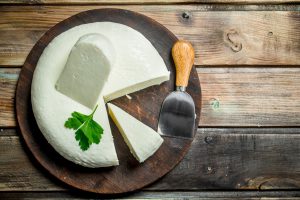
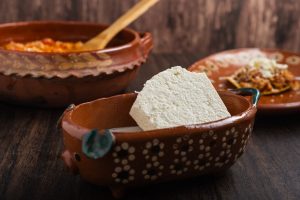
Cotija cheese offers a completely different experience. It is firm, crumbly, and full of bold flavor. Often aged, it is used to add depth to dishes rather than being eaten alone. Queso fresco remains a staple across the country, valued for its freshness and versatility. Panela cheese, with its smooth and firm texture, is often grilled or sliced, holding its shape beautifully under heat.
These cheeses highlight how geography influences mexican cheese production. Climate, altitude, and local traditions all shape the final product. Each variety becomes a reflection of its region.
What Makes Mexican Cheese Unique in the Global Market
Mexican cheese stands apart because of its balance between simplicity and functionality. While many global cheeses focus on complexity through aging, Mexican varieties emphasize freshness and adaptability. This makes them incredibly versatile in cooking.
Another unique feature is how these cheeses behave when heated. Some melt gently, while others soften without losing shape. This quality is essential in traditional dishes, where texture plays a key role. The ability to enhance a dish without overwhelming it is what makes Mexican cheese so valuable.
The Role of Climate and Environment in Cheese Quality
Climate plays a powerful role in shaping cheese. In warmer regions, fresh cheeses dominate because they require less time and controlled conditions. Cooler areas allow for aging, leading to more complex flavors.
Environmental factors such as humidity and altitude also influence the process. These conditions affect how milk reacts during fermentation and how cheese matures over time. This natural variation ensures that no two cheeses are exactly the same. It adds authenticity and depth to mexican cheese production.
Modern Innovations in Mexican Cheese Production
As demand grows, producers are finding ways to modernize without losing authenticity. Technology has introduced new tools, but the essence of the craft remains rooted in tradition.
Industrial vs Artisan Methods
Artisan methods focus on small batches and hands-on techniques. These cheeses often have more character and variation. Industrial production ensures consistency and wider availability. Both approaches serve different needs, but the challenge lies in maintaining quality while scaling production.
Sustainability and Ethical Dairy Practices
Sustainability has become a priority. Producers are adopting practices that protect the environment and ensure animal welfare. This shift not only improves the quality of the cheese but also aligns with modern consumer values. Ethical production adds another layer of meaning to the craft.
Emotional Connection: Why Mexican Cheese Is More Than Food
Mexican cheese carries emotional weight. It is part of family traditions, celebrations, and everyday life. Recipes are often shared across generations, preserving both technique and memory. This connection transforms cheese into something deeply personal.
Food has the power to bring people together, and cheese plays a central role in that experience. Whether it is used in a simple meal or a festive gathering, it creates moments of connection. This emotional depth is what makes mexican cheese production so meaningful.
FAQs
What makes Mexican cheese different from other cheeses?
Mexican cheese is unique because it focuses on freshness, texture, and versatility rather than long aging processes. Many varieties are designed to complement dishes without overpowering them. Their production methods are deeply rooted in tradition, and their flavors often reflect local environments and cultural influences, making them distinct from other global cheeses.
Is Mexican cheese always made from cow’s milk?
No, Mexican cheese can be made from cow, goat, or even sheep milk depending on the region and tradition. Each type of milk adds its own flavor and texture. Cow’s milk is the most common, but goat’s milk is often used to create sharper and more complex flavor profiles.
How should Mexican cheese be stored to keep it fresh?
Mexican cheese should be stored in a cool environment, ideally in the refrigerator, wrapped in breathable material like wax paper. This helps maintain its moisture and texture. Avoid airtight plastic wrapping for fresh cheeses, as it can trap moisture and affect quality over time.