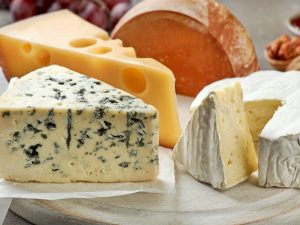
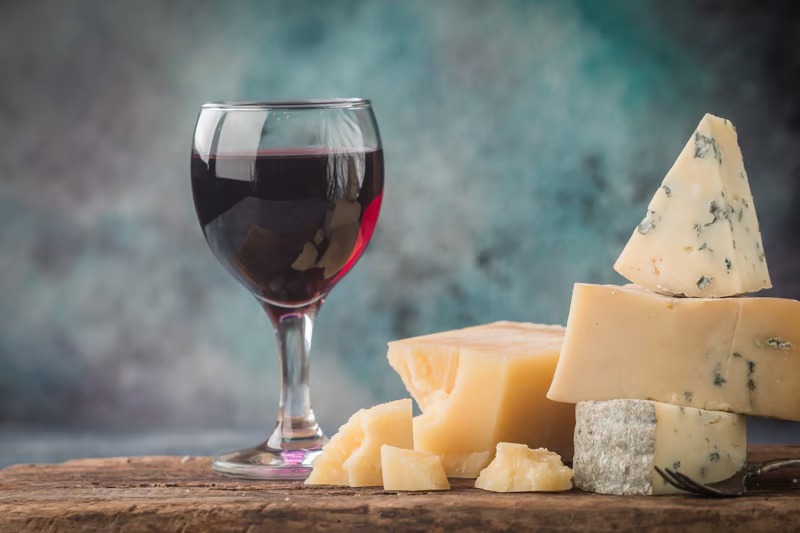
Mexican cuisine has a rich cheese tradition that is often overlooked in global pairing conversations. Yet mexican cheeses offer a wide range of textures and flavors that work beautifully with wines, beers, and non-alcoholic beverages. From fresh and creamy varieties to firm and aged styles, each cheese opens the door to different pairing possibilities.
The key to successful pairing is balance. A good pairing does not overpower the cheese or the drink. Instead, it creates harmony where both elements enhance each other. Understanding the structure and flavor profile of mexican cheeses is the first step toward building better combinations.
Understanding Mexican Cheeses and Their Flavor Profiles
Mexican cheeses are diverse, and their characteristics depend on milk type, freshness, and aging methods. Unlike heavily standardized European cheeses, many mexican cheeses are designed for versatility in cooking and fresh consumption.
Fresh cheeses like queso fresco are mild, slightly salty, and crumbly. They do not melt easily but pair well with bright and acidic drinks. Creamier cheeses like queso crema have a smooth texture that blends well with both sweet and savory beverages.
Semi-firm cheeses such as Oaxaca cheese are known for their stretchy texture and mild flavor, making them ideal for melting and pairing with structured drinks. Aged cheeses like cotija develop stronger, saltier profiles that require more robust pairings.
Regional variations also matter. Different parts of Mexico produce cheeses with subtle differences in taste based on local milk and traditional methods. These differences influence how each cheese interacts with beverages.
Principles of Pairing Mexican Cheeses with Wines and Beverages
Pairing mexican cheeses with drinks is not about strict rules but about understanding balance and contrast.
Matching Intensity and Weight
One of the most important principles is matching intensity. Light cheeses should be paired with light beverages, while stronger cheeses require more structured drinks.
For example, a mild queso fresco works well with a crisp white wine or a light sparkling drink. On the other hand, aged cotija pairs better with bold red wines or rich beers.
If the drink is too strong, it will overshadow the cheese. If it is too light, the cheese will dominate the palate. Finding the middle ground is essential.
Acidity, Salt, and Fat Balance in Pairings
Acidity plays a major role in cheese pairing. Many mexican cheeses are slightly salty or creamy, which means acidic drinks help cleanse the palate.
High-acid wines or citrus-based beverages cut through richness and refresh the taste buds. Saltier cheeses often pair well with slightly sweet drinks because sweetness balances salt intensity.
Fat content in cheese also matters. Creamy cheeses feel heavier on the palate, so they benefit from drinks that provide contrast, such as sparkling wine or citrus-infused beverages.
Best Wine Pairings for Popular Mexican Cheeses
Wine pairing with mexican cheeses depends on structure and aging. Each category of cheese interacts differently with wine profiles.
Fresh cheeses like queso fresco pair well with light white wines such as Sauvignon Blanc or Pinot Grigio. These wines highlight freshness without overwhelming the cheese.
Semi-soft cheeses like Oaxaca cheese work well with medium-bodied wines such as Chardonnay or young Merlot. These wines support the cheese’s texture without overpowering it.
Aged cheeses like cotija require bold wines. Cabernet Sauvignon or Tempranillo provide enough structure to balance the saltiness and intensity.
Sparkling wines are one of the most versatile options. Their acidity and bubbles refresh the palate, making them suitable for almost all types of mexican cheeses.
Beer and Mexican Cheese Pairing Combinations
Beer is one of the most natural partners for mexican cheeses because of its carbonation and wide flavor range.
Light Beers with Fresh Cheeses
Light lagers and pilsners pair well with fresh cheeses. Their crisp and clean profile complements the mild flavor of queso fresco.
Citrus notes in some craft beers can also enhance the freshness of soft cheeses, creating a refreshing combination ideal for warm weather or casual meals.
Dark Beers with Aged and Strong Cheeses
Dark beers such as stouts and porters work best with aged cheeses. Their roasted malt flavors balance the saltiness and intensity of cheeses like cotija.
The bitterness of dark beer contrasts with creamy textures, creating a layered tasting experience. This combination is often used in gourmet tasting menus for depth and complexity.
Non-Alcoholic Beverage Pairings with Mexican Cheeses
Non-alcoholic pairings can be just as interesting and complex as wine or beer combinations.
Agua fresca made from fruits like hibiscus or tamarind pairs well with fresh cheeses due to its natural acidity. Sparkling water with citrus can also cleanse the palate between bites.
Herbal teas offer subtle complexity that works well with semi-soft cheeses. Light green or chamomile tea enhances creaminess without overpowering flavor.
Fruit juices bring natural sweetness and acidity that balance salty cheeses. Apple or pear juice pairs particularly well with mild varieties.
Coffee-based drinks and hot chocolate can also complement aged cheeses, creating a rich contrast between bitter, sweet, and savory notes.
Regional Mexican Cheese Pairing Traditions
Traditional Mexican food culture already includes natural pairing logic, even if it is not formally labeled as such.
In many regions, fresh cheeses are eaten with bread, tortillas, or fruit drinks during breakfast or light meals. Street food often combines cheese with beverages like fresh juices or sweetened drinks for balance.
Traditional drinks like pulque and atole have historically been consumed alongside dairy-based foods, creating natural harmony between fermentation, sweetness, and saltiness.
These cultural pairings show that mexican cheeses have always been part of a broader beverage ecosystem, not just a standalone ingredient.
Creative Modern Pairing Ideas for Mexican Cheeses
Modern culinary trends are expanding how mexican cheeses are paired with beverages.
Chefs and home hosts now experiment with fusion pairings, such as pairing cotija with craft cocktails or using Oaxaca cheese in tasting boards with curated wines.
Sweet and savory combinations are becoming more popular. For example, pairing creamy cheese with fruit-based cocktails creates a contrast that feels both modern and refreshing.
At home, tasting boards that include multiple mexican cheeses with different beverages allow guests to explore flavor differences interactively.
Even simple gatherings can feel elevated when drinks and cheeses are intentionally matched rather than randomly served.
FAQs
1. What drinks go best with mexican cheeses?
Mexican cheeses pair well with wines, beers, and non-alcoholic drinks depending on texture, with light cheeses needing crisp beverages and aged cheeses needing stronger drinks.
2. Can mexican cheeses be paired with red wine?
Yes, aged mexican cheeses like cotija pair well with bold red wines such as Cabernet Sauvignon or Tempranillo due to their strong, salty flavor profile.
3. What is the best beer pairing for mexican cheeses?
Light lagers pair well with fresh cheeses, while dark beers like stouts complement aged mexican cheeses by balancing saltiness and richness effectively.
4. Are non-alcoholic drinks good with mexican cheeses?
Yes, beverages like agua fresca, herbal teas, and fruit juices pair well with mexican cheeses by balancing saltiness and enhancing freshness naturally.
5. Which mexican cheese is most versatile for pairing?
Oaxaca cheese is highly versatile because its mild flavor and stretchy texture allow it to pair well with wines, beers, and even cocktails easily.