Mexican cuisine is known for its bold flavors, vibrant colors, and deep cultural roots, and cheese plays a surprisingly important role in this identity. Unlike many European cheeses that focus heavily on aging complexity or sharpness, Mexican Cheeses are often designed to complement dishes rather than dominate them. They bring balance, texture, and subtle flavor layers that enhance everything from tacos to enchiladas.
Understanding their flavor profiles means going beyond taste alone. It involves exploring texture, freshness, salt levels, and how each cheese interacts with heat and other ingredients. Mexican cheeses are not just ingredients. They are culinary tools that shape the emotional experience of a dish.
To truly appreciate them, it helps to break down their common flavor characteristics and how they appear across different varieties.
Mild and Milky Profiles: The Foundation of Fresh Cheeses
One of the most common flavor categories in Mexican Cheeses is the mild and milky profile. These cheeses are usually fresh, young, and minimally aged, which gives them a soft and delicate taste.
Fresh dairy notes and subtle sweetness
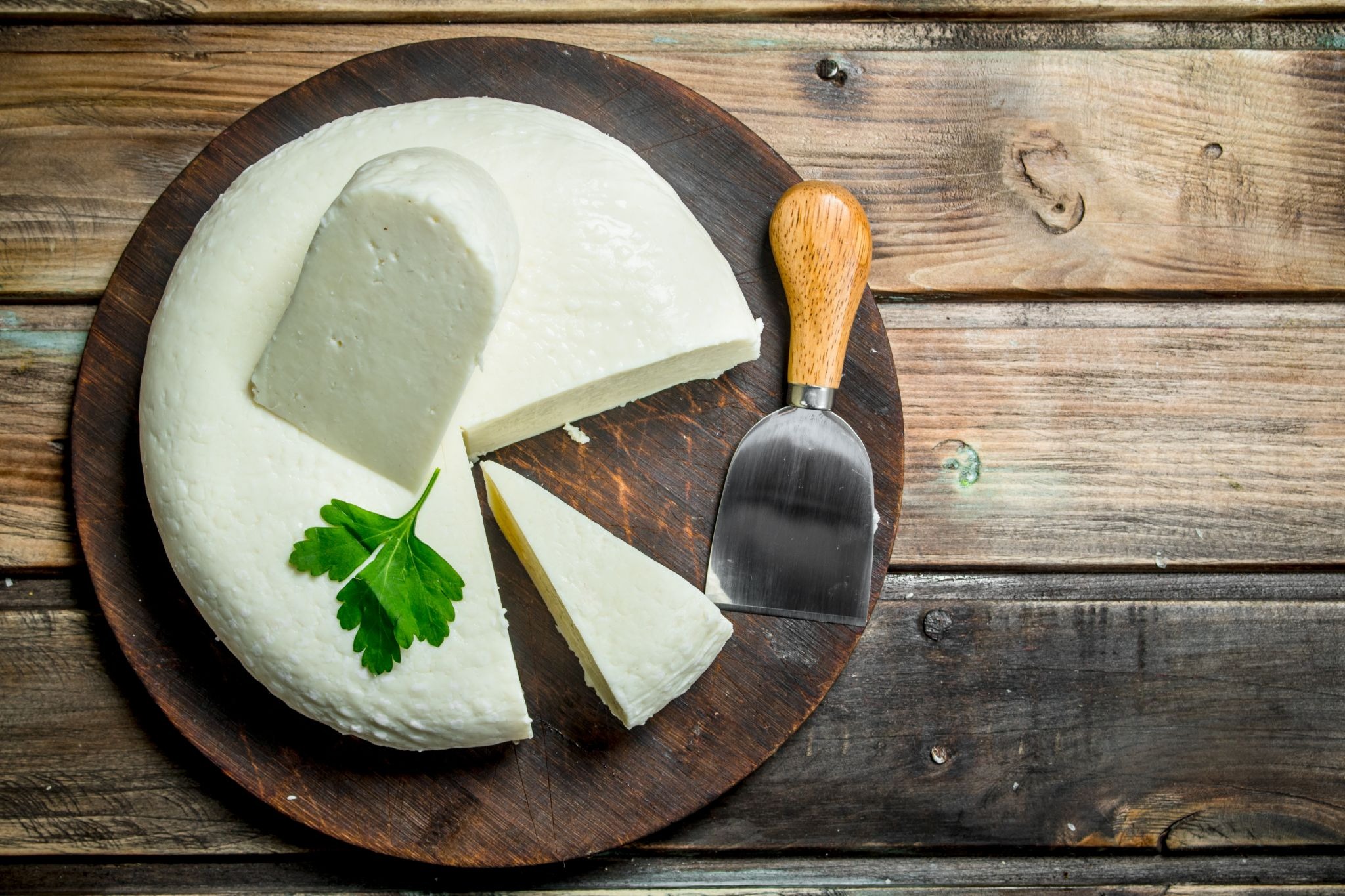
Fresh Mexican cheeses often carry a natural milk sweetness. This is especially noticeable in varieties like queso fresco, where the flavor is clean, light, and slightly tangy. The goal is not intensity but freshness, making them ideal for balancing spicy or rich dishes.
How mild cheeses enhance traditional dishes
These cheeses are commonly crumbled over tacos, beans, or salads. Their mildness allows them to blend seamlessly into dishes without overpowering other ingredients, creating harmony on the plate.
Salty and Tangy Profiles: A Signature Mexican Trait
Saltiness is a defining characteristic in many Mexican Cheeses. It is not overwhelming but carefully balanced to enhance flavor depth.
The role of controlled saltiness
Cheeses like cotija are known for their salty, crumbly texture. This saltiness acts as a seasoning element rather than a dominant taste. It enhances corn-based dishes, soups, and grilled vegetables.
Tangy undertones and fermentation influence
Some Mexican cheeses develop mild tanginess due to their fermentation process. This tang adds brightness and complexity, especially when paired with rich or spicy foods.
Creamy and Buttery Profiles: Smooth Comfort in Every Bite
Creaminess is another essential flavor profile in Mexican Cheeses, offering a soft and comforting taste experience.
Rich textures with smooth flavor delivery
Cheeses like Oaxaca and crema-style varieties are known for their smooth, buttery flavor. They melt beautifully, making them perfect for quesadillas and baked dishes.
Why creamy cheeses are so versatile
They blend easily with spices
They enhance heat-based cooking
They provide a soft contrast to crunchy textures
Their versatility makes them a staple in both traditional and modern Mexican cooking.
Mildly Sharp Profiles: Depth Without Overpowering Intensity
Some Mexican Cheeses develop a mild sharpness as they age or ferment slightly longer.
Balanced sharpness in aged varieties
This sharpness is not aggressive like some European cheeses. Instead, it offers a gentle depth that enhances flavor complexity without dominating the dish.
When sharp notes become essential
Mildly sharp cheeses are often used in richer dishes where balance is needed. They help cut through fatty or heavy ingredients, adding structure to the overall flavor profile.
Earthy and Rustic Flavor Notes in Traditional Cheeses
Certain Mexican Cheeses carry earthy undertones that reflect traditional production methods and regional influences.
Influence of natural aging environments
Cheeses aged in natural conditions often develop subtle earthy flavors. These notes are linked to the environment, milk source, and aging process.
Connection to rural cheese-making traditions
These cheeses often come from small-scale producers who use traditional methods. The result is a more rustic, authentic flavor that reflects local culture.
How Texture Shapes the Flavor Experience
In Mexican Cheeses, texture is just as important as taste. It directly influences how flavors are perceived.
Soft vs crumbly vs stretchy textures
Soft cheeses release flavor quickly, while crumbly cheeses provide bursts of saltiness. Stretchy cheeses like Oaxaca offer a gradual flavor release as they melt.
Why texture changes taste perception
Creamy textures feel richer on the palate
Crumbly textures intensify salt perception
Melted textures blend flavors together
This makes texture a key factor in understanding overall flavor profiles.
The Role of Milk Type in Flavor Development
The type of milk used significantly impacts the flavor of Mexican Cheeses.
Cow’s milk and its mild base profile
Most Mexican cheeses are made from cow’s milk, which contributes to their mild and creamy base flavor.
Regional variations in milk sources
In some regions, goat or mixed milk is used, adding slight tanginess or earthiness to the final product. This variation contributes to the diversity of flavor profiles across Mexico.
How Cooking Methods Transform Cheese Flavor
Mexican cheeses are often used in cooking, and heat dramatically changes their flavor profiles.
Melting and flavor intensification
When heated, creamy cheeses become richer and more aromatic. The melting process enhances buttery notes and softens saltiness.
Grilling and browning effects
Some cheeses develop nutty, caramelized flavors when grilled or pan-fried. This adds another layer of complexity to their profile.
Expert Advice: Understanding Cheese Selection Like a Chef
Cheese experts emphasize that choosing Mexican Cheeses is not just about taste preference but about dish pairing. Each cheese has a purpose in cooking, and understanding this can elevate everyday meals.
One key insight is to match intensity with food strength. Mild cheeses work best with bold spices, while saltier cheeses enhance simple dishes. Texture should also guide selection, especially when cooking with heat.
Experts also recommend tasting cheeses at room temperature. This allows the full flavor profile to emerge, especially the subtle milky and tangy notes that are often hidden when chilled.
Another important tip is to experiment with combinations. Mixing crumbly and creamy cheeses can create balanced textures and layered flavors in a single dish.
Common Misunderstandings About Mexican Cheeses
Many people assume all Mexican cheeses are spicy or heavily flavored, which is not true.
Myth of uniform flavor intensity
In reality, Mexican Cheeses range from very mild to moderately sharp, with most leaning toward subtlety rather than intensity.
Confusion with processed cheese products
Some commercially available products labeled as “Mexican-style cheese” do not reflect traditional flavor profiles, leading to misconceptions about authenticity.
Why Mexican Cheese Flavors Are So Adaptable
The adaptability of Mexican Cheeses is one of their greatest strengths.
Compatibility with diverse cuisines
These cheeses pair well not only with Mexican dishes but also with global cuisines due to their balanced flavor profiles.
Role in modern fusion cooking
Chefs use them in burgers, pasta, and even desserts, proving their versatility in contemporary gastronomy.
FAQs
1. What makes Mexican Cheeses different from other cheeses?
Mexican cheeses are generally fresher, milder, and designed to complement dishes rather than dominate them, focusing on balance and texture.
2. Are all Mexican cheeses salty?
No, only certain varieties like cotija are salty. Many others are mild or creamy with subtle flavor profiles.
3. Which Mexican cheese is best for melting?
Oaxaca cheese is one of the best melting cheeses, known for its stretchy, creamy texture when heated.