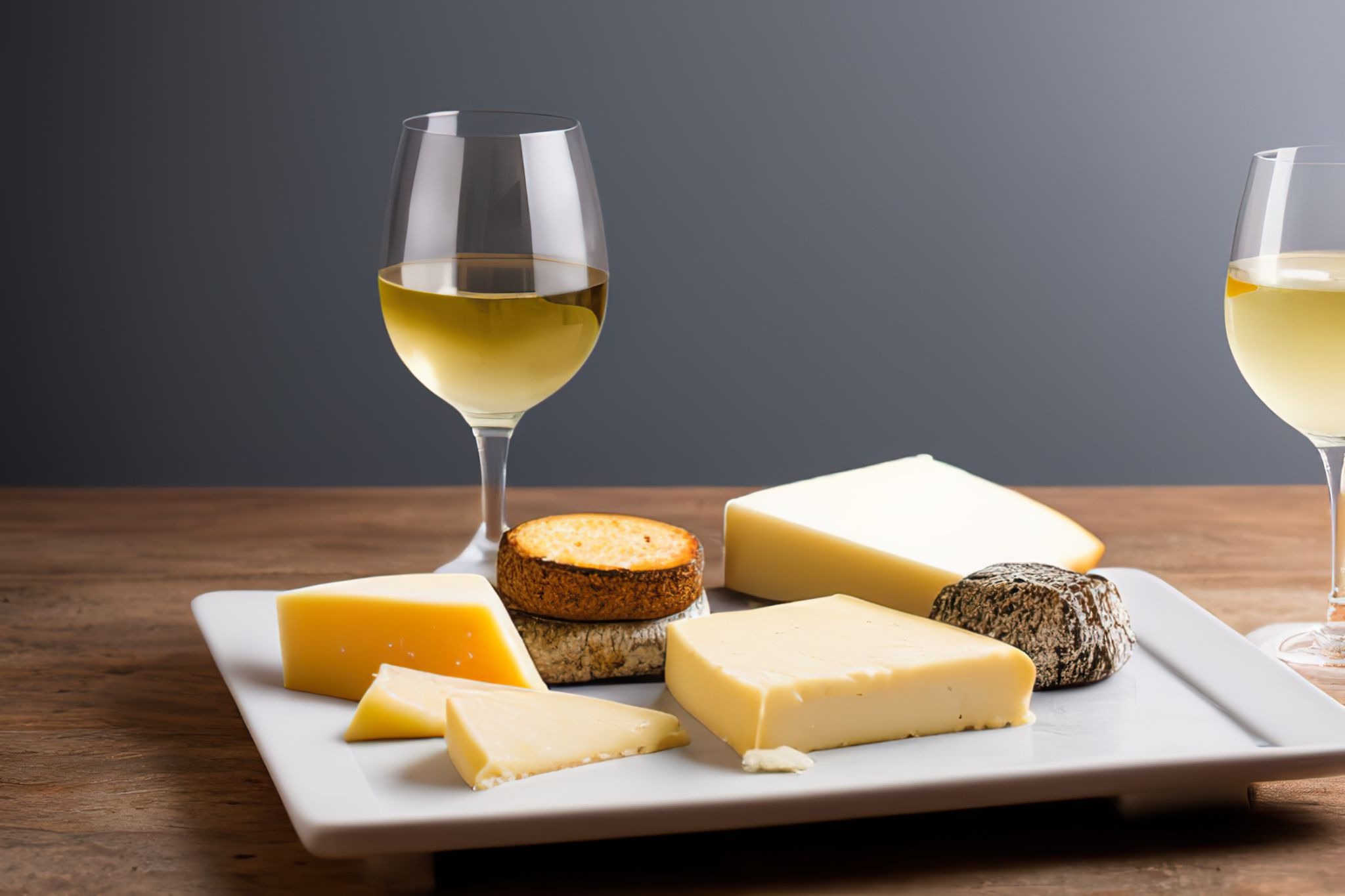
There is something deeply satisfying about a perfect wine and cheese pairing. The flavors seem to come alive. The textures feel balanced. Every bite and sip feels intentional. Yet, not every combination creates this experience. Some pairings feel dull, while others clash in unexpected ways. For beginners, this can be confusing. Why does one combination feel effortless while another feels off? The answer lies in understanding how flavors interact. Once you grasp this, wine and cheese pairing becomes less intimidating and far more enjoyable.
The Science of Taste and Balance
Taste is built on a few key elements. Sweetness, acidity, saltiness, bitterness, and umami all play a role. When wine and cheese come together, these elements either balance each other or compete. A good pairing creates harmony. For example, a creamy cheese with a crisp wine can feel refreshing because the acidity cuts through the richness. On the other hand, a heavy wine paired with a delicate cheese may overpower it. Understanding this balance helps you make better choices without relying on guesswork.
How Texture and Acidity Shape Pairings
Texture is just as important as flavor. A soft cheese interacts differently with wine compared to a hard, aged one. Creamy cheeses often benefit from wines with higher acidity, which cleans the palate and prevents heaviness. Acidity acts like a reset button. It keeps each bite feeling fresh. Without it, pairings can feel overwhelming. This is why many successful combinations rely on this balance.
Building Your Palate Without Feeling Overwhelmed
Starting your journey into wine and cheese pairing does not require expert knowledge. It begins with simple steps and a willingness to explore.
Starting with Familiar Flavors
The best way to begin is by choosing flavors you already enjoy. If you prefer mild cheeses, start there. Pair them with light wines and observe how they interact. This approach builds confidence. It allows you to learn without feeling pressured to understand everything at once. Over time, your palate becomes more refined.
Training Your Taste Step by Step
Developing your palate is a gradual process. Pay attention to how each pairing makes you feel. Does it taste balanced? Does one element stand out too much? Taking notes can help. Even simple observations can guide your future choices. With practice, you will begin to recognize patterns and preferences.
The Golden Principles That Guide Every Great Pairing
While experimentation is important, a few guiding principles can make the process easier.
Matching Intensity and Weight
One of the most important rules is matching the intensity of the wine with the cheese. A strong cheese needs a wine that can stand up to it. A delicate cheese pairs better with a lighter wine.
Light cheeses work best with crisp, refreshing wines that do not overpower subtle flavors.
Medium cheeses pair well with balanced wines that enhance rather than dominate.
Strong, aged cheeses require bold wines with enough depth to match their intensity.
Ignoring this balance often leads to one element overshadowing the other.
This principle creates harmony and prevents imbalance.
Contrasting vs Complementing Flavors
Pairings can either contrast or complement. Contrasting pairings create excitement by balancing opposing elements, such as sweet wine with salty cheese. Complementing pairings enhance similar flavors, such as nutty cheese with earthy wine. Both approaches work. The key is understanding when to use each. Beginners often find success by experimenting with both styles.
Classic Wine and Cheese Pairings That Never Fail
Some combinations have stood the test of time. They are reliable, approachable, and perfect for beginners.
Soft Cheeses with Light Wines
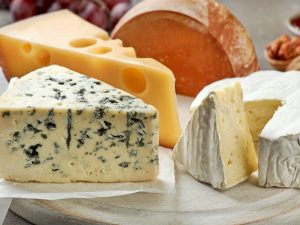
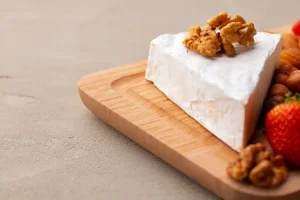
Soft cheeses like brie or camembert pair beautifully with light wines. The creaminess of the cheese is balanced by the freshness of the wine. This pairing feels smooth and easy. It is often recommended as a starting point because it rarely goes wrong.
Aged Cheeses with Bold Wines
Aged cheeses such as cheddar or parmesan have strong flavors. They require wines that can match their intensity. Bold red wines often work well in this case. The richness of the cheese and the depth of the wine create a satisfying combination. This pairing highlights how intensity plays a role in balance.
Unexpected Pairings That Surprise Beginners in a Good Way
Once you are comfortable with basics, exploring unexpected combinations can be exciting.
Sweet Wines with Salty Cheeses
Sweet wines paired with salty cheeses create a striking contrast. The sweetness softens the saltiness, while the salt enhances the wine’s flavor. This combination often surprises beginners because it breaks traditional expectations. Yet, it works beautifully.
Sparkling Wines with Creamy Textures
Sparkling wines are incredibly versatile. Their bubbles add a refreshing element that pairs well with creamy cheeses. The texture contrast creates a lively experience. Each bite feels lighter, making the pairing enjoyable and dynamic.
How Texture Changes the Entire Experience
Texture influences how flavors are perceived. A crumbly cheese interacts differently with wine compared to a smooth, creamy one. Soft cheeses tend to coat the palate, making acidity more important. Hard cheeses, on the other hand, release flavor more slowly, allowing bold wines to shine. Understanding texture helps you create pairings that feel balanced rather than overwhelming.
Creating Your First Wine and Cheese Board at Home
Building your own board is one of the best ways to practice pairing. It allows you to experiment and find combinations that suit your taste.
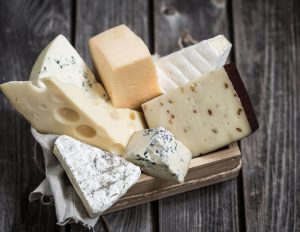
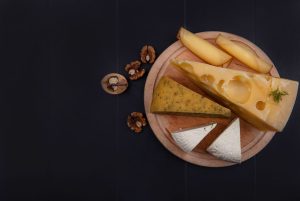
Include a variety of cheeses with different textures and intensities to create contrast and interest.
Choose wines that range from light to bold, giving you more pairing options.
Add simple accompaniments like bread or fruit to enhance the experience without complicating it.
Arrange items thoughtfully so each pairing feels intentional and inviting.
This approach turns a simple meal into an experience.
Common Pairing Mistakes Beginners Should Avoid
Many beginners make similar mistakes when starting out. One common issue is choosing wines that are too strong for mild cheeses. This creates imbalance and masks the cheese’s flavor. Another mistake is ignoring texture. Pairing two heavy elements can make the experience feel overwhelming. Overcomplicating the process is also a problem. Trying too many combinations at once can make it difficult to understand what works. Keeping things simple leads to better results.
Expert Tips to Elevate Your Pairing Instantly
Experts emphasize simplicity and balance. They recommend starting with classic pairings and gradually exploring new combinations. Temperature is another important factor. Serving cheese and wine at the right temperature enhances their flavors. Cold cheese can taste dull, while overly warm wine may lose its structure. Experts also suggest trusting your preferences. While guidelines are helpful, personal taste ultimately matters most. The best pairing is the one you enjoy.
Exploring Beyond the Basics with Confidence
As you gain experience, your confidence will grow. You will begin to experiment more freely and develop your own preferences. This journey is not about perfection. It is about discovery. Each pairing teaches you something new. Over time, you will build a deeper appreciation for both wine and cheese. Exploration leads to creativity. It allows you to create combinations that reflect your unique taste.
Final Thoughts on Enjoying the Pairing Journey
Wine and cheese pairing is not just about rules. It is about experience. It is about slowing down and appreciating flavors. For beginners, the key is to start simple and stay curious. With time, what once felt complicated becomes intuitive. Each pairing becomes an opportunity to learn and enjoy. The beauty of this journey lies in its endless possibilities. There is always something new to try, and every combination tells a different story.
FAQs
What is the easiest wine and cheese pairing for beginners?
Soft cheeses with light wines are often the easiest starting point. They create a balanced and approachable experience, making it easier for beginners to understand how flavors and textures work together without feeling overwhelmed.
Can you pair red wine with all types of cheese?
Red wine does not pair well with every cheese. Strong reds can overpower delicate cheeses. It is important to match intensity and consider texture to create a balanced pairing that enhances both elements.
How do I know if a pairing works well?
A good pairing feels balanced, with neither the wine nor the cheese dominating. The flavors should complement or contrast in a pleasant way, creating a harmonious and enjoyable experience overall.