
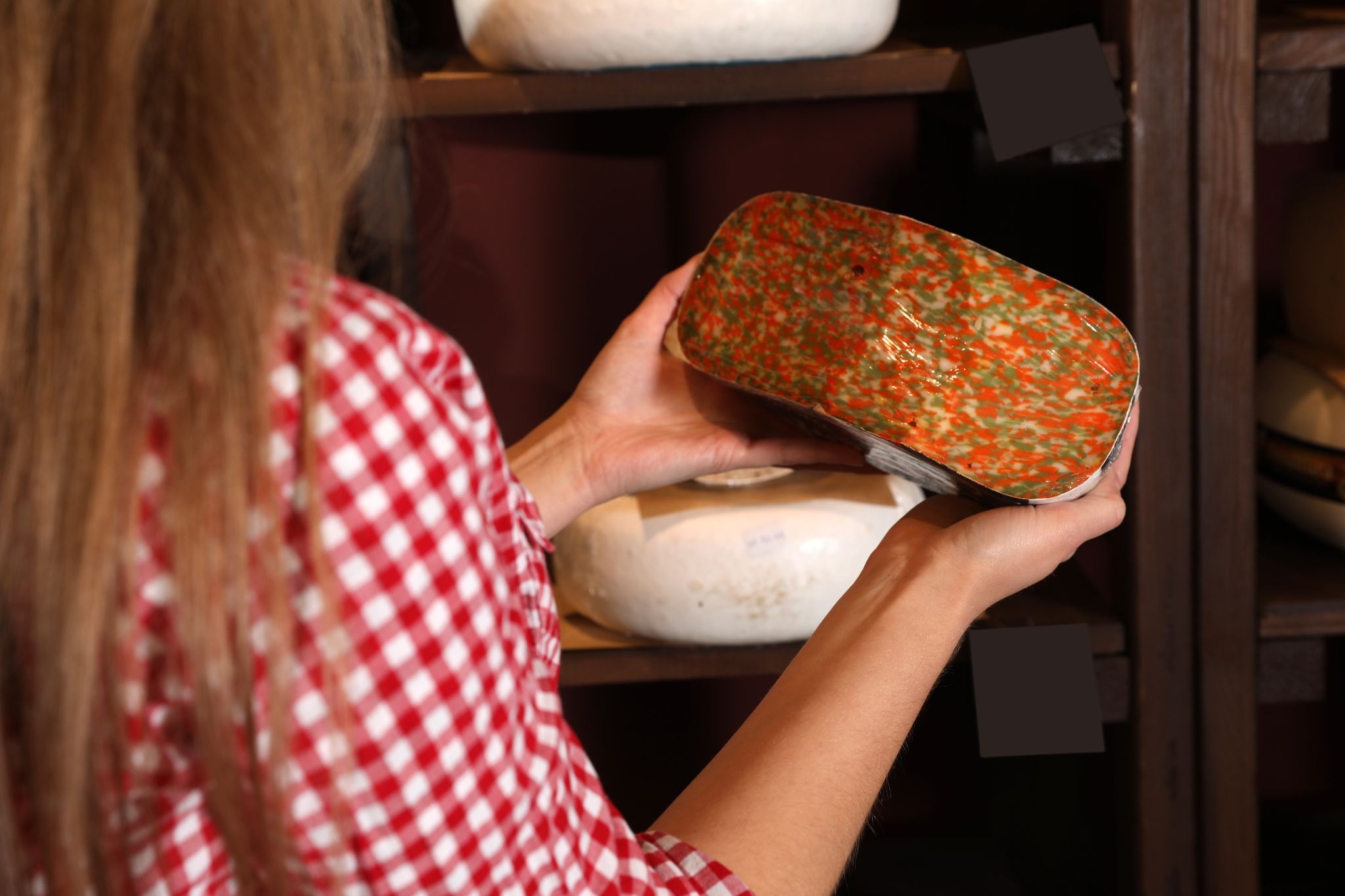
Mexican cuisine relies heavily on cheese as a core ingredient, not just a topping. From tacos and enchiladas to soups and grilled dishes, cheese adds texture, richness, and balance. But unlike many aged European cheeses, most Mexican cheeses are fresh, moist, and highly perishable. That means how you store them directly affects taste, safety, and cooking quality.
When you store Mexican cheeses incorrectly, they can spoil quickly, lose their structure, or develop off-flavors. Many people underestimate how sensitive these cheeses are to air, heat, and moisture changes. Proper storage is not just about extending shelf life. It is about preserving authenticity in cooking.
Understanding Different Types of Mexican Cheeses
To store cheese correctly, you first need to understand what type you are working with. Mexican cheeses vary widely in texture and moisture, and each behaves differently in storage.
Soft fresh cheeses like queso fresco and panela are high-moisture and delicate. They are commonly used for crumbling over dishes or light frying. Because they are not heavily aged, they spoil quickly and require careful refrigeration.
Semi-soft cheeses like Oaxaca and Asadero are stretchy and melt well. These are often used in hot dishes like quesadillas. They are more stable than fresh cheeses but still sensitive to air exposure.
Aged cheeses like Cotija are firmer and saltier. They last longer due to lower moisture, but they can dry out or lose flavor if not stored properly.
Why Mexican Cheeses Spoil Faster Than Other Cheeses
Mexican cheeses spoil faster mainly because of their high moisture content. Moist environments create ideal conditions for bacterial growth.
They also contain fewer preservatives compared to industrial or aged cheeses. This makes them more natural but less shelf-stable.
Temperature changes accelerate spoilage. Even short exposure to room temperature can start breaking down texture and flavor. Air exposure also leads to oxidation, which affects smell and taste.
Best Refrigeration Practices for Mexican Cheeses
Refrigeration is the most important step in preserving freshness. The ideal temperature range is between 1°C and 4°C. This slows bacterial growth without freezing the cheese.
Where you place cheese in the fridge also matters. Avoid the fridge door because it experiences constant temperature changes. Instead, use the middle or lower shelves where conditions are more stable.
Packaging is critical. First wrap cheese in wax paper or parchment paper to allow slight breathability. Then place it in an airtight container to protect it from drying out and absorbing odors.
Plastic wrap alone should be avoided for soft cheeses because it traps moisture and can create a slimy texture.
How to Store Mexican Cheeses Correctly at Home
Different cheeses need slightly different storage methods.
Soft cheeses like queso fresco should be used quickly and stored in breathable wrapping inside sealed containers. They should ideally be consumed within a few days after opening. If they dry slightly, wrapping them in a lightly damp cloth before refrigeration can help restore moisture balance.
Semi-soft cheeses like Oaxaca should be divided into smaller portions before storage. This reduces repeated air exposure. Each portion should be wrapped separately for better freshness retention.
Hard cheeses like Cotija can last longer. Keeping them in block form helps preserve flavor. If grated, store them in airtight containers to prevent drying and odor absorption.
Common Mistakes When You Store Mexican Cheeses
One major mistake is leaving cheese uncovered in the refrigerator. This quickly dries out the surface and reduces flavor quality.
Another common error is using only plastic wrap. It traps moisture and can make soft cheeses degrade faster instead of preserving them.
Storing cheese in unstable temperature zones like fridge doors is also problematic. Constant warming and cooling cycles damage texture.
Mixing different cheeses in the same container is another issue. Stronger cheeses can affect the aroma and flavor of milder ones.
Signs Your Mexican Cheese Has Gone Bad
Spoiled cheese usually shows clear warning signs. Visual changes include mold growth that is not natural and unusual discoloration.
Texture changes are also important. If cheese becomes overly slimy, sticky, or excessively dry, it is likely no longer fresh.
Smell is one of the strongest indicators. A sour, ammonia-like, or unusually strong odor means the cheese should not be consumed.
Freezing Mexican Cheeses: Is It a Good Idea?
Freezing can extend shelf life, but it is not suitable for all Mexican cheeses. Hard and semi-hard varieties like Cotija freeze relatively well, especially when used for cooking later.
Soft cheeses like queso fresco do not freeze well. Freezing changes their structure, making them crumbly and watery after thawing.
If freezing is necessary, always portion cheese before storing it. This helps avoid repeated thawing and refreezing, which damages quality.
Extending Shelf Life with Smart Storage Techniques
Some traditional methods help preserve freshness longer. Light brine solutions can help maintain moisture in certain soft cheeses.
Vacuum sealing is another effective method. It removes air exposure and significantly slows spoilage, especially for semi-soft and hard cheeses.
Portioning is also a simple but powerful technique. Storing smaller amounts reduces exposure to air and keeps the rest fresher for longer.
Cultural Importance of Fresh Cheese in Mexican Cooking
Fresh cheese is not just an ingredient in Mexican cuisine. It is part of culinary identity. It adds balance to spicy, rich, and savory dishes.
Texture plays a major role in authenticity. Properly stored cheese maintains its crumbly, creamy, or melty consistency depending on the dish.
When cheese loses freshness, it affects not just taste but also the cultural integrity of the dish.
Best Containers and Materials for Cheese Storage
Storage material makes a big difference in freshness. Glass containers are ideal because they do not absorb odors and are easy to clean.
Food-grade plastic containers can also be used if they are airtight. However, they must be properly sealed to prevent moisture changes.
Wax paper and parchment paper are excellent for wrapping because they allow slight airflow while protecting the texture.
Avoid thin plastic bags for long storage because they do not control moisture effectively.
Temperature Fluctuations and Their Impact on Cheese Quality
Stable temperature is critical for maintaining cheese quality. Fluctuations cause condensation, which leads to faster spoilage.
Fridge doors are the worst storage place due to constant opening and closing.
Keeping cheese in a stable, cold section of the fridge helps preserve both texture and flavor for longer periods.
Expert Tips for Maintaining Maximum Freshness
Rotating cheese stock regularly helps avoid waste. Always use older cheese first before opening new portions.
Labeling containers with purchase or opening dates helps track freshness more effectively.
Whenever possible, keep cheese in its original packaging until ready to use, as it is often designed for optimal storage conditions.
Conclusion
Storing Mexican cheeses properly is essential for maintaining their flavor, texture, and safety. These cheeses are naturally fresh and delicate, making them more sensitive to changes in air, heat, and moisture.
With the right approach, proper refrigeration, smart packaging, and correct handling, you can significantly extend their shelf life.
Good storage habits also help preserve authenticity in cooking. When cheese is fresh, every dish benefits in taste and quality. Small improvements in storage methods can make a noticeable difference in your kitchen results.