Food has always been a powerful connector, linking cultures, traditions, and people across the world. In today’s globalized culinary landscape, the boundaries between cuisines are becoming increasingly blurred. Chefs and home cooks alike are experimenting with ingredients from different regions, creating innovative fusion dishes that combine flavors in exciting and unexpected ways.
One ingredient group that has gained significant attention in this global culinary movement is Mexican cheese. Traditionally used in iconic dishes like tacos, enchiladas, and quesadillas, Mexican cheeses are now being explored far beyond their regional origins. Their unique textures, diverse flavor profiles, and versatility make them ideal candidates for international cooking.
This naturally leads to an important question: can Mexican cheeses truly be used in international dishes, or are they best suited only for traditional Mexican recipes?
The answer is a clear and enthusiastic yes. Mexican cheeses are incredibly adaptable and can enhance a wide variety of global dishes when used thoughtfully. From creamy pastas to gourmet burgers and even experimental Asian fusion cuisine, these cheeses bring new dimensions of flavor and texture.
In this comprehensive guide, we will explore the types of Mexican cheeses, their defining characteristics, how they compare to global varieties, and practical ways to incorporate them into international dishes successfully.
What Are Mexican Cheeses?
Mexican cheeses are a diverse category of dairy products that reflect a blend of indigenous traditions and Spanish cheesemaking influences. Over time, these cheeses have evolved into a unique family of products with distinct textures, flavors, and culinary uses.
Some of the most widely used varieties include:
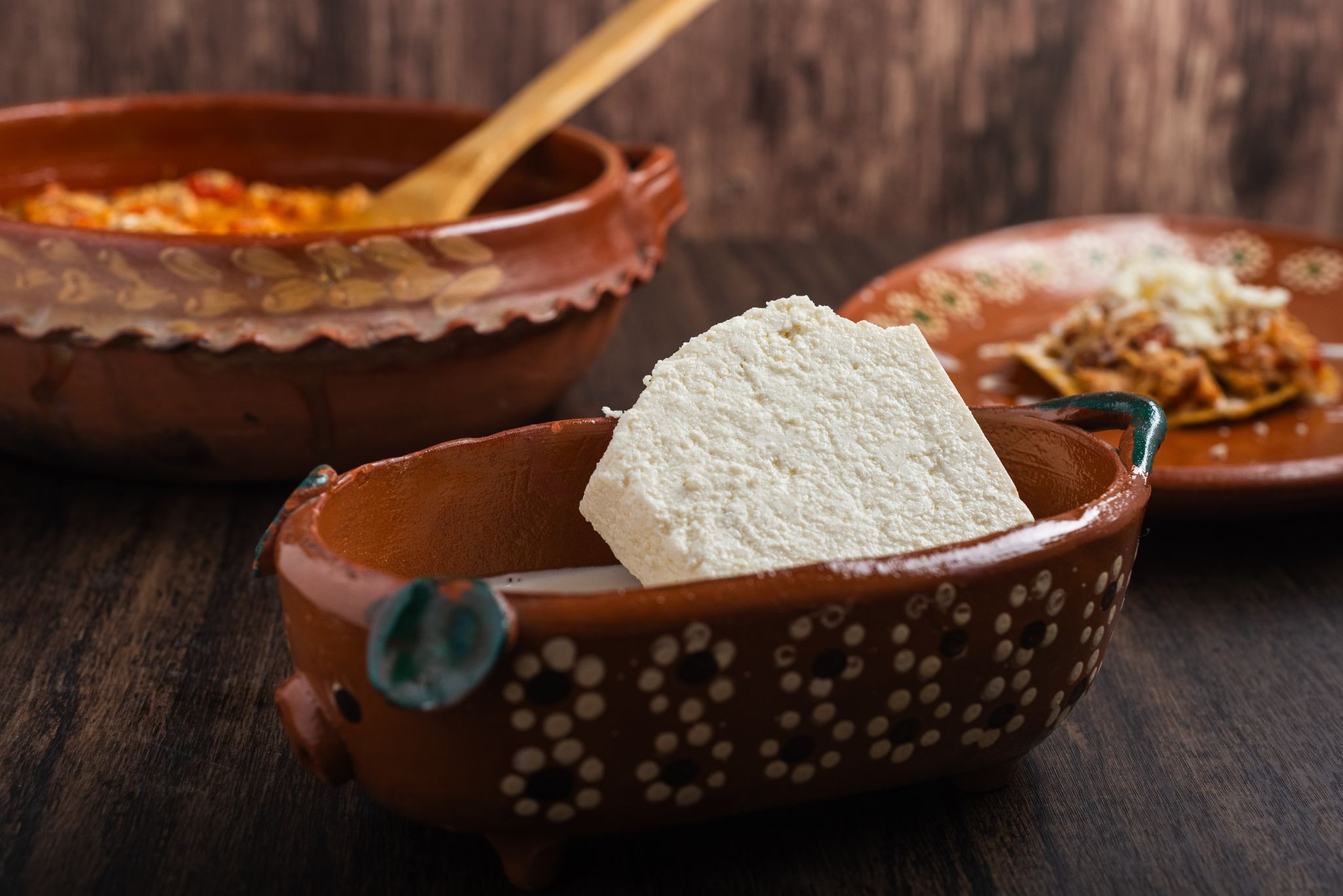
Queso fresco — a soft, crumbly cheese with a mild, slightly tangy taste
Queso Oaxaca — a semi-soft, stretchy cheese known for its excellent melting properties
Cotija — a firm, salty cheese often used as a topping
Queso panela — a smooth, firm cheese that holds its shape when heated
Asadero cheese — a creamy, mild cheese ideal for melting
Each of these cheeses serves a specific purpose in cooking, and understanding their characteristics is key to using them effectively in international dishes.
Key Characteristics of Mexican Cheeses
1. Mild and Adaptable Flavor Profiles
One of the most important features of many Mexican cheeses is their mild flavor. Unlike some European cheeses that can be sharp or pungent, varieties like queso fresco and panela offer subtle taste profiles. This makes them highly adaptable, as they can blend seamlessly into dishes without overpowering other ingredients.
This characteristic is particularly valuable in international cooking, where balance is essential.
2. Exceptional Melting Qualities
Cheeses such as queso Oaxaca and asadero are prized for their melting properties. When heated, they become smooth, creamy, and stretchy, similar to mozzarella. This makes them ideal for dishes that require melted cheese, such as pizzas, casseroles, and baked pasta.
Their ability to melt evenly without becoming greasy or clumpy enhances both texture and presentation.
3. Unique Textural Variety
Mexican cheeses offer a wide range of textures, from soft and crumbly to firm and sliceable. This diversity allows them to be used in multiple ways:
Crumbled over salads or soups
Melted into sauces and fillings
Grilled or pan-fried for added texture
Sliced into sandwiches or wraps
This versatility is one of the key reasons they work so well in global cuisine.
4. Balanced Saltiness
Cheeses like Cotija provide a salty, umami-rich flavor that enhances dishes without overwhelming them. This makes them excellent finishing cheeses, similar to how Parmesan is used in Italian cooking.
Why Mexican Cheeses Work in International Dishes
1. Compatibility with Global Ingredients
Mexican cheeses pair well with a wide range of ingredients commonly used in international cuisines, including vegetables, meats, grains, and sauces. Their balanced flavors allow them to complement rather than dominate a dish.
2. Ease of Substitution
Many Mexican cheeses have characteristics similar to widely used international cheeses. For example:
Queso Oaxaca can replace mozzarella
Cotija can substitute for Parmesan
Queso fresco can be used in place of feta
This makes it easy for cooks to experiment without drastically altering recipes.
3. Culinary Creativity and Fusion
Using Mexican cheeses in international dishes encourages creativity. It allows chefs to reinterpret traditional recipes and develop new flavor combinations that reflect a blend of cultures.
Using Mexican Cheeses in Italian Cuisine
Italian cuisine is known for its reliance on cheese, making it an excellent starting point for experimentation.
Pasta Dishes
Queso Oaxaca works beautifully in baked pasta dishes like lasagna or baked ziti. Its stretchy texture creates a rich, creamy consistency similar to mozzarella, while adding a slightly different flavor profile.
For lighter pasta dishes, crumbled queso fresco can be used to add a subtle tang without the heaviness of aged cheeses.
Pizza
Using queso Oaxaca on pizza results in a smooth, even melt that rivals traditional mozzarella. Adding a sprinkle of Cotija on top can enhance the flavor with a salty, umami finish.
Risotto
While risotto traditionally uses Parmesan, incorporating queso fresco can create a softer, less intense flavor, making the dish feel lighter and more delicate.
Incorporating Mexican Cheeses in American Cuisine
American cuisine is inherently diverse and open to fusion, making it ideal for experimenting with Mexican cheeses.
Burgers and Sandwiches
Asadero cheese melts beautifully over burgers, creating a creamy layer that enhances both flavor and texture. It pairs well with beef, chicken, and even plant-based patties.
Mac and Cheese
Replacing traditional cheddar with a blend of Mexican cheeses can create a unique variation of mac and cheese. The result is a creamier, more nuanced flavor profile.
Salads and Bowls
Queso fresco is an excellent addition to salads and grain bowls, offering a lighter alternative to heavier cheeses while still providing richness.
Fusion with Asian Cuisine
Although less conventional, Mexican cheeses can be incorporated into Asian-inspired dishes with creative approaches.
Noodle Dishes
Adding melted queso Oaxaca to noodle dishes can create a creamy texture similar to cheese-based sauces, offering a fusion twist.
Rice and Stir-Fry
Small cubes of panela can be added to rice or stir-fry dishes for a mild, creamy contrast to bold flavors.
Fusion Sushi
Modern fusion sushi often includes unconventional ingredients. Queso fresco or Oaxaca can add a creamy element to certain rolls.
Mexican Cheeses in Mediterranean Cuisine
Mediterranean cuisine often features fresh and salty cheeses, making it compatible with Mexican varieties.
Salads
Queso fresco can replace feta in salads, offering a milder taste while still providing a creamy texture.
Grilled Dishes
Panela can be grilled and served alongside vegetables or meats, similar to halloumi.
Flatbreads and Wraps
Mexican cheeses can be used as toppings or fillings in flatbreads, adding richness and depth.
Creative Fusion Ideas
Mexican-style pizza with Oaxaca and Cotija
Creamy ramen with melted Oaxaca
Stuffed vegetables with mixed Mexican cheeses
International cheese boards featuring Mexican varieties
These ideas highlight how adaptable and innovative these cheeses can be.
Benefits of Using Mexican Cheeses Internationally
1. Flavor Enhancement
Mexican cheeses introduce new flavors that can elevate traditional dishes.
2. Culinary Innovation
They encourage experimentation and fusion cooking.
3. Accessibility
Many Mexican cheeses are widely available, making them easy to incorporate into everyday cooking.
Challenges and Considerations
1. Availability
Some authentic varieties may be harder to find in certain regions.
2. Flavor Adjustments
Substitutions may slightly alter the original taste of a dish.
3. Cooking Behavior
Different cheeses melt and react differently, requiring experimentation.
Tips for Cooking with Mexican Cheeses
Start with simple substitutions
Understand melting properties
Pair with complementary ingredients
Experiment gradually
The Global Rise of Mexican Cheeses
As fusion cuisine continues to grow, Mexican cheeses are becoming more prominent in international kitchens. Their versatility and unique qualities make them a valuable addition to modern cooking.
FAQs
1. Can Mexican cheeses fully replace traditional cheeses in international dishes?
Mexican cheeses can often replace traditional cheeses, but results may vary slightly depending on the dish. While queso Oaxaca works well as a mozzarella substitute and Cotija can replace Parmesan, each cheese has unique properties. It’s important to consider flavor, texture, and melting behavior when substituting to maintain balance and achieve the best possible outcome in your recipes.
2. Are Mexican cheeses suitable for different cooking methods?
Yes, Mexican cheeses are highly versatile and suitable for various cooking methods, including melting, grilling, frying, and crumbling. Cheeses like Oaxaca melt smoothly, while panela holds its shape when heated. This adaptability allows them to be used in a wide range of international dishes, from baked pasta and pizzas to grilled vegetables and fusion recipes across different cuisines.
3. How can beginners start using Mexican cheeses in global recipes?
Beginners can start by replacing familiar cheeses in everyday recipes. For example, use queso Oaxaca instead of mozzarella on pizza or queso fresco instead of feta in salads. Start with simple dishes and gradually experiment with more complex recipes. Understanding each cheese’s texture and flavor will help build confidence and creativity when incorporating them into international cooking.
Final Thoughts
Mexican cheeses are no longer limited to traditional dishes, they are versatile, adaptable, and increasingly essential in global cuisine. Their unique textures, balanced flavors, and excellent melting properties make them ideal for experimenting across a wide range of international recipes.
By understanding their characteristics and using them thoughtfully, you can transform familiar dishes into exciting culinary experiences. As global food culture continues to evolve, Mexican cheeses are poised to play a major role in shaping the future of fusion cooking.