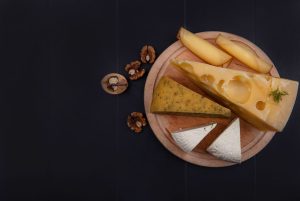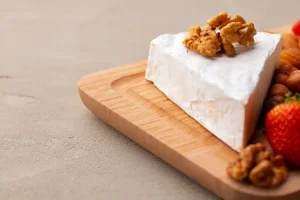
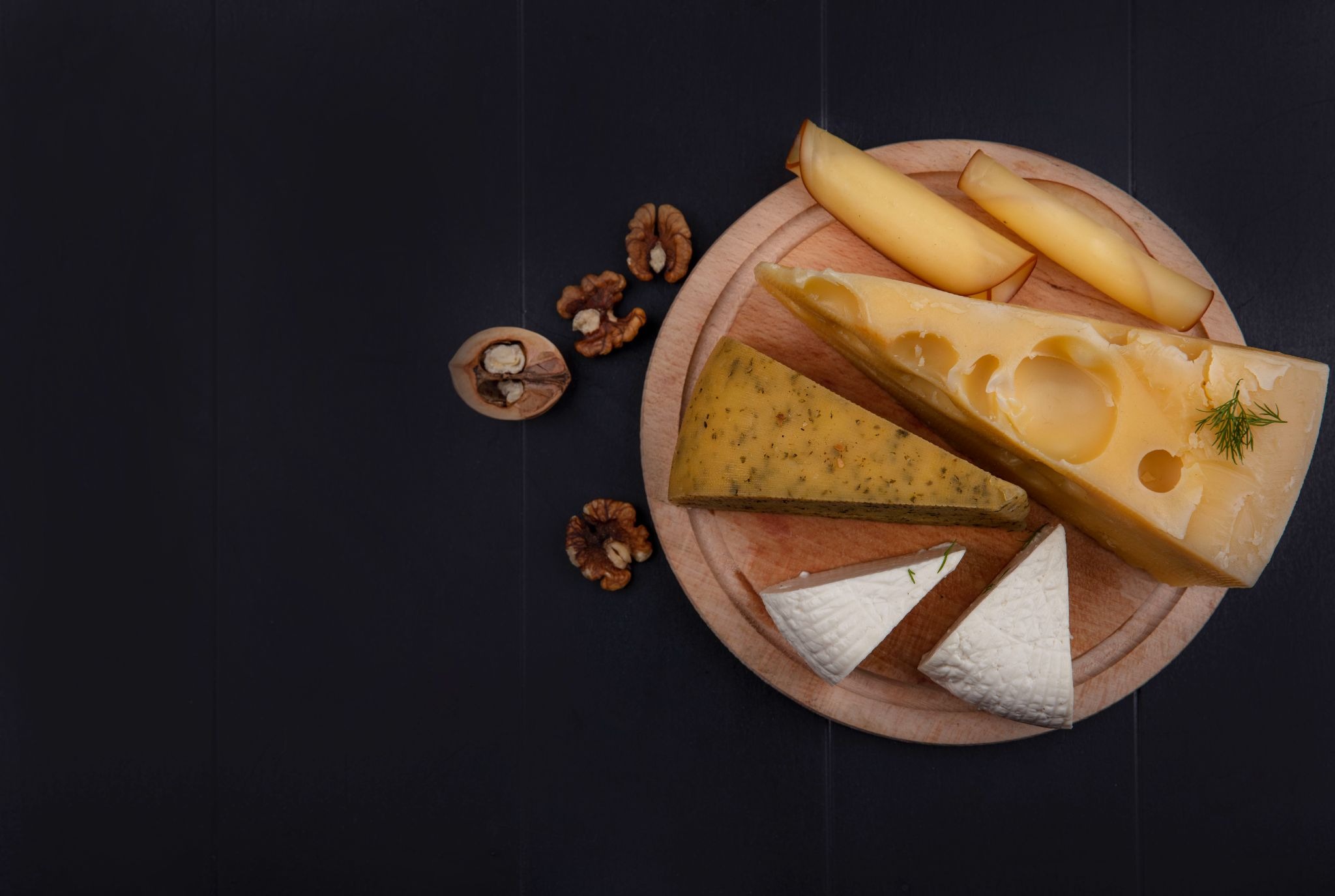
There is a moment in cooking when everything changes. The pasta is almost done, the sauce is sitting in the pan, and you grate a handful of aged Parmesan over the top. It melts into the heat and suddenly the whole dish pulls together. The flavor deepens. The texture shifts. The smell alone makes whoever is in the next room walk into the kitchen asking what you are making. That is what cheese does. It does not just add flavor. It transforms a dish from something functional into something memorable.
Cooking with cheese is one of the most rewarding skills any home cook can develop, and it is also one of the most misunderstood. Most people use one or two familiar varieties and never venture further. Mozzarella on pizza. Cheddar in a sandwich. Parmesan on pasta. These are all perfectly good choices, but they represent a fraction of what is possible when you start understanding how different cheeses behave under heat, how they interact with other flavors, and where they belong in a meal. The world of cheese is vast, generous, and endlessly interesting. All it asks is a little curiosity and a willingness to experiment.
Understanding Cheese Before You Cook With It
The single biggest thing that separates confident cheese cooking from confused cheese cooking is understanding what you are working with before it goes into the pan. Cheese is not a monolithic ingredient. It is a broad category of products with wildly different moisture levels, fat contents, aging processes, and flavor profiles. Each of these variables determines how a cheese will behave when heat is applied, and ignoring them is the reason so many home cooks end up with broken sauces, rubbery gratins, or oily pizza puddles.
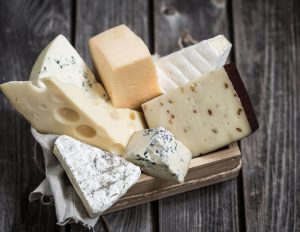
Moisture content is the first variable to understand. Fresh cheeses like ricotta, burrata, and fresh mozzarella have very high moisture content. They do not melt in the traditional sense. They soften, release water, and in some cases become creamy and spreadable under gentle heat. But if you try to use fresh mozzarella the same way you would use a dry, aged mozzarella on a pizza, you will end up with a wet, soupy result because the water in the cheese has nowhere to go. Semi-firm cheeses like Gruyere, Fontina, and young Gouda have lower moisture content and melt beautifully into smooth, even layers. Hard aged cheeses like Parmesan, Pecorino, and aged Manchego have very low moisture and very concentrated flavor. They do not melt smoothly but they dissolve into sauces and pasta cooking water in a way that creates an intensely flavored, slightly grainy richness that is entirely intentional and deeply delicious.
The Role of Aging in Cooking Behavior
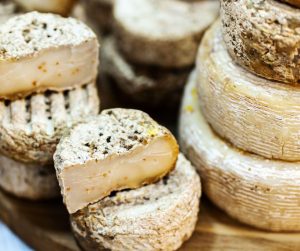
Aging changes cheese in ways that matter enormously in the kitchen. As cheese ages, it loses moisture, its proteins break down into smaller amino acid chains, and its fat crystalizes and develops complex flavor compounds. The longer the aging process, the more concentrated and complex the flavor becomes, and the less the cheese behaves like its younger counterpart.
Building Flavor Layers With Cheese in Savory Cooking
One of the most powerful techniques in cheese-forward cooking is using multiple cheeses in the same dish to build flavor layers that no single cheese can create alone. This is not about using more cheese. It is about using complementary cheeses whose individual strengths combine into something greater than the sum of their parts.
The classic example is a great lasagna. A lasagna built on a single cheese, whether ricotta or mozzarella or Parmesan, will be one-dimensional. But a lasagna that uses all three is structurally and gastronomically complex. The ricotta provides creamy body and a subtle milky sweetness in the filling. The mozzarella gives you that iconic pull and stretch in the layers. The Parmesan creates a golden, savory crust on top and adds sharpness and depth throughout. Each cheese does a specific job, and together they create a dish with real depth.
Cheese as a Finishing Element, Not Just an Ingredient
Most home cooks treat cheese as something that goes into a dish during cooking. That is only half the story. Some of the most impactful cheese applications happen after the heat is off, when cheese is used as a finishing element that adds flavor, texture, and visual appeal to a completed dish.
Freshly grated Parmesan or Pecorino over a finished pasta dish does something entirely different from cheese that has been cooked into the sauce. It melts slightly from the residual heat but retains some of its crystalline texture, creating pockets of concentrated flavor rather than an even distribution. A crumble of tangy feta over a warm roasted vegetable dish adds sharp, salty contrast that elevates every other flavor on the plate. A shaving of aged Manchego over a warm lentil soup introduces a nuttiness that transforms the dish from hearty to genuinely elegant.
Fresh Cheeses and How They Transform a Dish
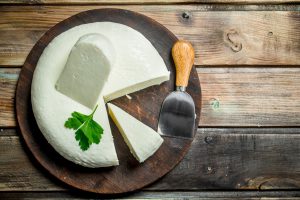
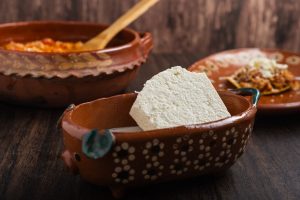
Fresh cheeses occupy their own special territory in cooking, and they are frequently underutilized by home cooks who default to melting cheeses for almost every application. Ricotta, burrata, mascarpone, cottage cheese, queso fresco, and labneh all have distinct personalities that make them extraordinary in the right context.
Ricotta is one of the most versatile fresh cheeses in the kitchen. Its mild, milky sweetness and grainy-yet-creamy texture make it equally at home in savory pasta fillings, whipped into a smooth base for crostini, stirred into scrambled eggs for extra creaminess, or used as the foundation of a simple baked cheesecake. When you mix ricotta with lemon zest, fresh herbs, and a drizzle of good olive oil and spread it on warm bread, you have something that requires almost no cooking but tastes like it took real skill to make.
Working With Blue Cheeses in Cooking
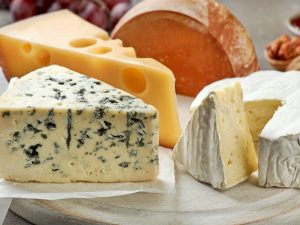
Blue cheeses, including Gorgonzola, Roquefort, Stilton, and Danish blue, are among the most polarizing in the cheese world, but they are also among the most rewarding when used correctly in cooking. Their pungency and saltiness, which can be overwhelming when eaten straight, become a complex, savory depth when incorporated thoughtfully into a dish.
The key principle with blue cheese in cooking is balance. It needs something sweet, something fatty, or something acidic nearby to keep its intensity in check. Gorgonzola dolce melted into a warm cream sauce with a handful of walnuts and served over pasta is a complete flavor experience because the sweetness of the cream, the bitterness of the walnut, and the sharpness of the cheese are all playing off each other. Crumbled Roquefort over a salad dressed with honey and pear slices works for exactly the same reason. The sweetness of the fruit and honey pulls the blue cheese’s intensity into focus rather than letting it dominate.
The Mistakes That Ruin Cheese in Cooking
Understanding what not to do with cheese in the kitchen is as important as knowing what to do. The most common mistakes are predictable, easy to make, and once understood, almost entirely avoidable.
Overheating cheese is the most frequent error. Every cheese has a temperature threshold beyond which its proteins seize and its fat separates, creating a broken, oily, grainy mess instead of a smooth melt. This is why fondue breaks when the heat is too high, why cheese sauces turn grainy when they boil, and why grated Parmesan added directly to a violently boiling pasta rather than a slightly cooled dish clumps rather than melts. The rule is simple: low and slow for melting, and add cheese off or away from direct heat whenever possible.
Grating cheese too far in advance is another common mistake. Pre-grated cheese from a bag has been coated with cellulose or potato starch to prevent clumping, which also prevents smooth melting. But even freshly grated cheese that has been sitting out for an hour has dried on the surface in a way that affects its melting behavior. Grate cheese as close to the moment of use as possible, especially for applications where smooth melting matters.
Cheese Is a Conversation Between Ingredients
The best cooking with cheese is never really about the cheese alone. It is about the conversation the cheese is having with everything else in the dish. The acidity of tomatoes pulling out the sweetness of fresh mozzarella. The bitterness of radicchio being softened by the creaminess of Gorgonzola. The nuttiness of aged Gruyere deepening the sweetness of caramelized onions. These relationships are what cooking with cheese is really about, and learning to hear them, to taste them and understand them, is what takes your cooking from technically correct to genuinely delicious.
Every cheese has a personality. Some are bold and demand attention. Some are quiet and give everything to the dish without asking for recognition. Some are bridges that connect flavors that would not otherwise find each other. Getting to know them, understanding how they behave under heat and what they love to be paired with, is one of the most pleasurable education projects a home cook can undertake. Start with what you already know. Then reach for something unfamiliar. Taste it on its own, then taste it with something else. Let the cheese tell you where it wants to go. It almost always knows.