Cheese tells a story. It reflects the land it comes from, the animals that produce the milk, and the hands that shape it. Yet, not all cheese carries the same depth. The difference between artisan vs mass produced cheese goes far beyond price or packaging. It is a contrast between craftsmanship and efficiency, between individuality and uniformity.
Modern supermarkets are filled with neatly packaged cheese blocks that look identical. They are convenient, affordable, and widely available. On the other hand, artisan cheese often appears irregular, sometimes even imperfect. Yet, it holds something far more valuable. It carries character, history, and intention. Understanding this contrast reveals why so many people are turning toward artisanal options.
How Cheese Became Industrialized
The rise of industrial cheesemaking began with the need to feed growing populations. Large-scale production made cheese accessible to millions. Machines replaced manual processes, and efficiency became the priority. Standardization was key. Every block needed to taste the same, look the same, and last longer on shelves. While this approach improved availability, it also reduced diversity. The unique qualities that once defined cheese began to fade.
The Revival of Traditional Cheesemaking
In recent years, there has been a quiet revival. Consumers are seeking authenticity. They want to know where their food comes from and how it is made. Artisan cheesemakers have responded by returning to traditional methods. They focus on quality rather than quantity. Their work celebrates the natural variations that make cheese special. This revival is not just a trend. It is a shift toward valuing craftsmanship again.
What Goes Into the Milk Matters More Than You Think
The foundation of any cheese is milk. Its quality determines everything that follows.
Source of Milk and Animal Care
Artisan cheesemakers often source milk from local farms. These farms prioritize animal welfare and natural feeding practices. Cows, goats, or sheep are often grass-fed, which influences the flavor of the milk. Mass-produced cheese, however, typically relies on large-scale dairy operations. While efficient, these systems may prioritize volume over quality. The result is milk that lacks the depth of flavor found in smaller, carefully managed farms.
Seasonal Variations and Natural Flavor
Milk is not the same throughout the year. Seasonal changes affect what animals eat, which in turn affects the taste of the milk. Artisan cheese embraces these variations. Each batch can have subtle differences, making every experience unique. Mass-produced cheese aims for consistency. Seasonal variations are minimized or eliminated through processing. While this ensures predictability, it removes the natural diversity that makes cheese exciting.
The Craftsmanship Behind Artisan Cheese
At the heart of artisan cheese is the cheesemaker. Their skill and intuition shape the final product.
Small-Batch Production Techniques
Artisan cheese is typically made in small batches. This allows for careful monitoring at every stage. Cheesemakers can adjust techniques based on the characteristics of the milk.
Each batch is handled with precision rather than automation.
Small-scale production allows for experimentation and innovation.
Quality control is more personal and immediate.
Variations are embraced rather than eliminated.
This approach creates cheese that feels alive and dynamic.
The Cheesemaker’s Skill and Intuition
Cheesemaking is both science and art. While knowledge is essential, intuition plays a significant role. Experienced cheesemakers rely on sight, smell, and touch to guide their decisions. Mass production relies on machines and fixed processes. While efficient, it lacks the human element that defines artisan cheese. This difference is reflected in the final product.
Standardization vs Character in Flavor Profiles
Flavor is where the contrast becomes most obvious.
Why Mass-Produced Cheese Tastes Consistent
Consistency is the goal of industrial production. Every batch must meet the same standards. This predictability is achieved through controlled processes and additives. While this approach ensures reliability, it often results in a limited flavor range. The cheese may taste good, but it rarely surprises.
The Complexity and Depth of Artisan Cheese
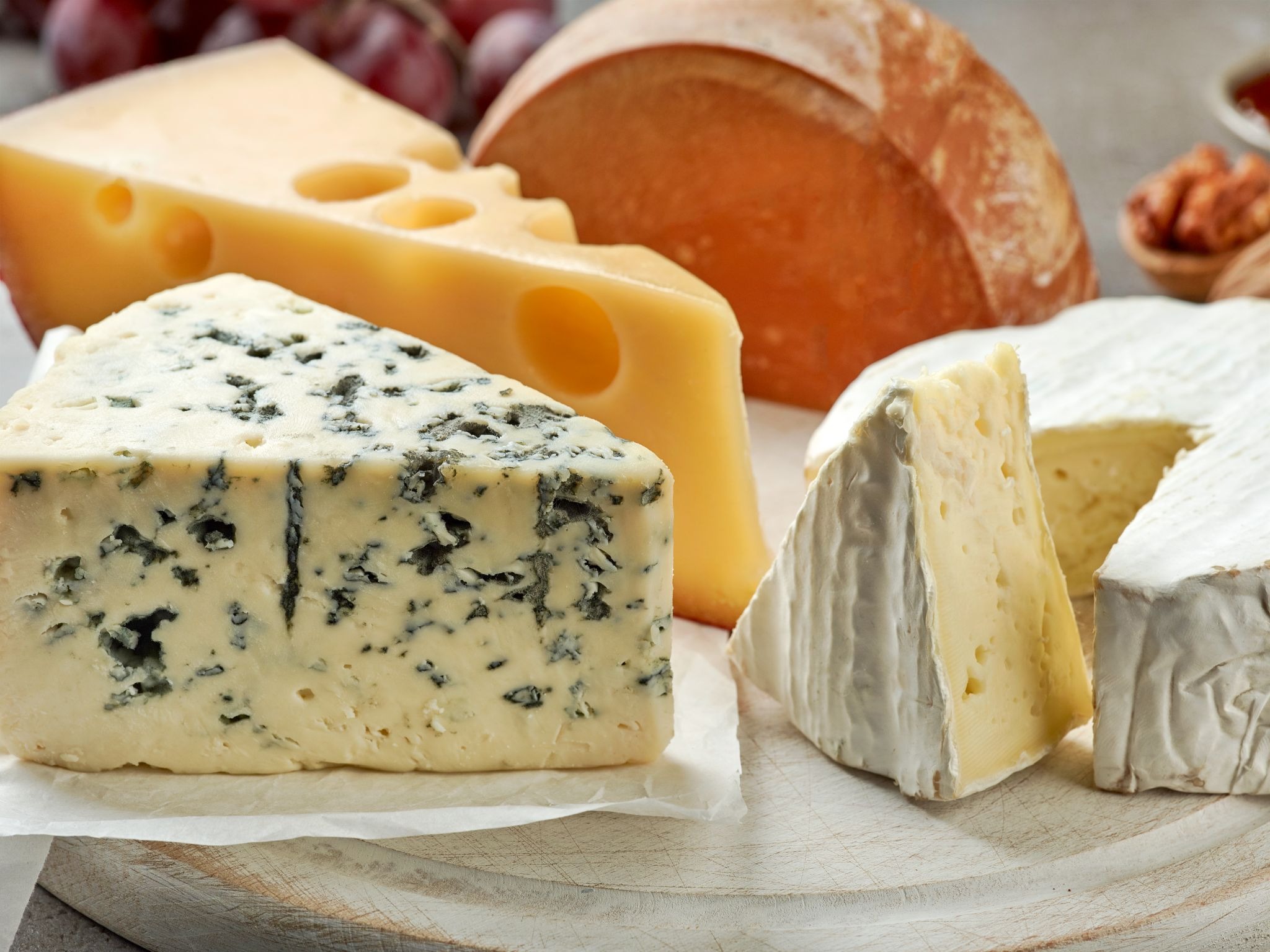
Artisan cheese offers a richer experience. Its flavors can be layered and evolving. A single bite may reveal multiple notes, from creamy and nutty to sharp and tangy. This complexity comes from natural processes and careful craftsmanship. It creates a sense of discovery that mass-produced cheese cannot replicate.
Aging, Time, and Patience as Quality Drivers
Time is a crucial ingredient in cheesemaking. How it is used makes a significant difference.
Controlled Aging in Industrial Production
Mass-produced cheese is often aged in controlled environments. The goal is to achieve consistency and speed. While effective, this process can limit flavor development. The focus is on efficiency rather than exploration. As a result, the cheese may lack depth.
Natural Aging and Environmental Influence
Artisan cheese often ages in natural conditions. Factors such as humidity and temperature play a role. These elements create unique characteristics in each batch.
Natural caves or cellars add complexity to flavor.
Longer aging periods allow deeper development.
Environmental variations create distinct textures and aromas.
Patience becomes a defining factor in quality.
This process requires time and care, but the results are worth it.
Additives, Preservatives, and Processing Methods
One of the key differences lies in what is added during production. Mass-produced cheese often includes preservatives and stabilizers. These ingredients extend shelf life and maintain consistency. While safe, they can affect taste and texture. Artisan cheese typically avoids unnecessary additives. It relies on natural processes to achieve its qualities. This simplicity allows the true flavor of the milk to shine through.
Texture, Aroma, and the Full Sensory Experience
Cheese is more than taste. It engages all the senses. Texture, aroma, and appearance all contribute to the experience. Artisan cheese often has a more varied texture. It can be creamy, crumbly, or even slightly grainy, depending on the type. These variations add interest and depth. Aroma is another defining factor. Artisan cheese often has a stronger, more complex scent. This is a sign of its natural development. Mass-produced cheese, in contrast, tends to have a milder and more uniform aroma.
Pricing, Accessibility, and Perceived Value
Price is often the first difference people notice. Artisan cheese is usually more expensive. This reflects the time, effort, and quality involved in its production.vMass-produced cheese is more affordable and widely available. It serves a practical purpose, making cheese accessible to a larger audience. However, value is not just about cost. It is about experience. Many people find that artisan cheese offers a level of satisfaction that justifies its price.
Why Artisan Cheese Is Gaining Global Attention
The growing interest in artisan cheese reflects a broader shift in consumer behavior. People are moving away from mass production and toward authenticity. This trend is driven by a desire for quality and connection. Consumers want to support local producers and experience food in its purest form. Artisan cheese fits perfectly into this movement. It represents a return to tradition, where food is crafted with care and intention.
Final Thoughts on Craft, Quality, and Taste
The difference between artisan vs mass produced cheese is not just technical. It is philosophical. It reflects how food is valued and experienced. Mass-produced cheese offers convenience and consistency. It serves an important role in modern life. But artisan cheese offers something deeper. It provides a connection to tradition, craftsmanship, and authenticity. Choosing between the two depends on what you value. If you seek efficiency, mass-produced cheese meets that need. If you seek experience, artisan cheese delivers something truly special.
FAQs
What is the main difference between artisan and mass-produced cheese?
The main difference lies in production methods. Artisan cheese is made in small batches with traditional techniques, while mass-produced cheese is made on a large scale with standardized processes, resulting in differences in flavor, texture, and overall quality.
Is artisan cheese healthier than mass-produced cheese?
Artisan cheese can be healthier due to fewer additives and more natural ingredients. However, nutritional value depends on the specific type of cheese. The key advantage lies in quality and purity rather than significant nutritional differences.
Why does artisan cheese taste stronger?
Artisan cheese often undergoes natural aging and uses high-quality milk, which enhances flavor complexity. The absence of heavy processing allows unique characteristics to develop, resulting in a richer and more pronounced taste.